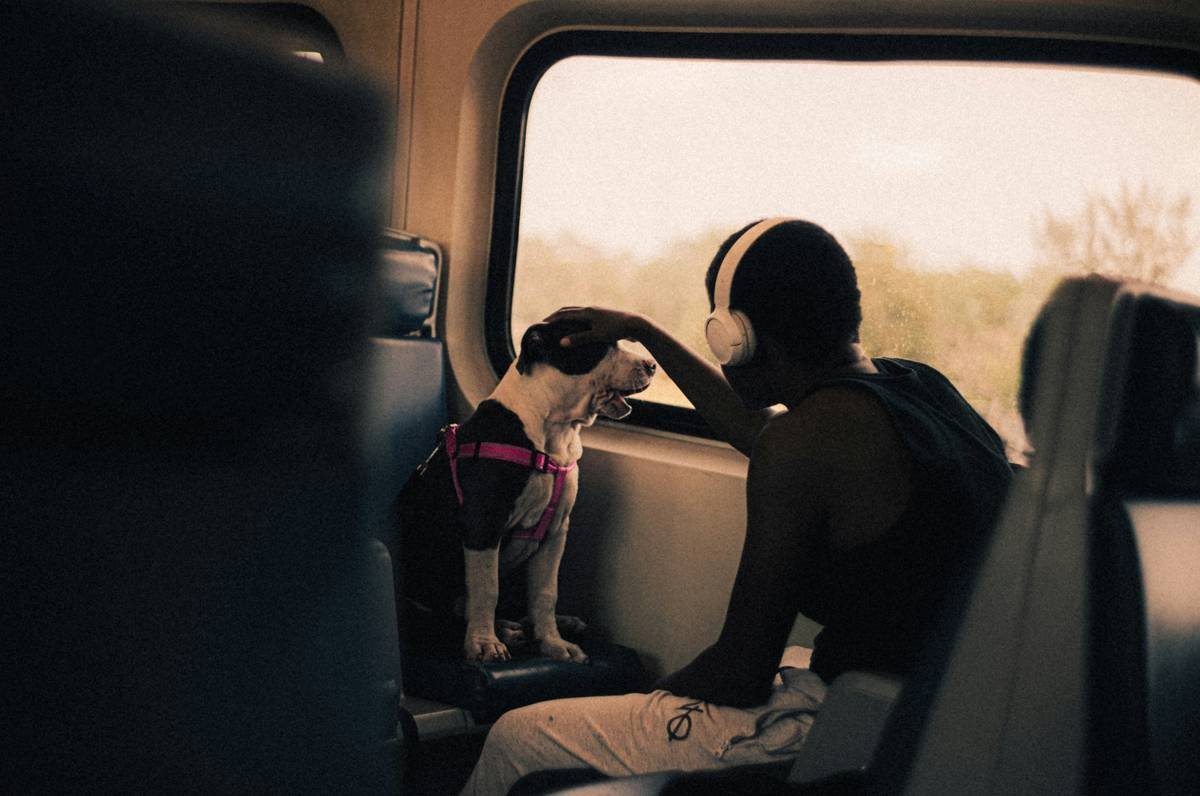
Ever been turned away at an airport because your service animal wasn’t “official” enough? Or spent hours trying to decipher what counts as a legit service animal under transportation laws? We’ve all been there—staring blankly at pages of dense legal jargon while your furry copilot looks up at you with big, hopeful eyes. But don’t worry. By the end of this post, you’ll be armed with the knowledge to confidently navigate Transportation Access Rules for service animals and ensure smooth travels every time.
Table of Contents
- Key Takeaways
- Why Transportation Access Rules Matter
- Step-by-Step Guide to Training Your Service Animal
- Tips for Traveling with a Service Animal
- Real-Life Success Stories
- FAQs on Transportation Access Rules
Key Takeaways
- The Americans with Disabilities Act (ADA) governs service animal access but differs slightly from airline-specific rules.
- Training your service animal properly is critical—not just for behavior, but also for compliance with transportation policies.
- Avoid these common mistakes: not having proper documentation or assuming all carriers follow the same guidelines.
- Friendly reminder: Always check updated regulations before traveling!
Why Transportation Access Rules Matter
Picture this: You’re boarding a crowded train after months of training your service dog. The conductor stops you mid-step and says, “Sorry, no pets allowed.” Oof—that sinking feeling is real. This exact scenario happens more often than we’d like to admit, leaving both handlers and their amazing companions stranded.
But why are Transportation Access Rules so confusing? It’s because they’re governed by multiple entities—including federal law (like the ADA), airlines, public transit systems, and even individual cities. For example, the Air Carrier Access Act (ACAA) used to allow emotional support animals on flights until January 2021, when stricter rules were introduced.

Optimist You:
“With the right prep, navigating these rules can actually be pretty straightforward!”
Grumpy You:
“Ugh, tell me again why we have to jump through twenty hoops for something this essential?”
Step-by-Step Guide to Training Your Service Animal
If you’re ready to avoid travel drama altogether, let’s dive into how to train your service animal according to the standards expected by most transportation providers.
Step 1: Understand the Basics of Behavior Training
No surprises here—the foundation of any service animal program starts with basic obedience skills. Things like sit, stay, heel, and come need to become second nature. Pro tip? Try using positive reinforcement methods like treats or clicker training. Not only are they effective, but they also build trust between you and your buddy.
Step 2: Establish Public Access Etiquette
Next up? Teaching your pup what I call “professional behavior.” That means remaining calm around loud noises, ignoring food temptations (RIP pizza slice), and staying focused on tasks—even when distracted tourists want nothing more than to pet them.
Step 3: Practice Specific Tasks Related to Your Disability
This step sets true service animals apart from other trained dogs. Whether it’s retrieving medication, alerting to medical emergencies, or providing mobility assistance, your animal should excel at one task tied directly to your disability.
Step 4: Simulate Real-World Scenarios
Once you’ve mastered the basics, take practice runs in busy environments—shopping malls, buses, airports, etc. Exposure helps desensitize your partner to unexpected stimuli (hello, crying babies!) and prepares them for real-world challenges.
Tips for Traveling with a Service Animal
- Keep Documentation Handy: Some carriers may request proof of certification or vaccination records. While the ADA doesn’t require ID cards, certain private businesses might.
- Pack Essentials: Bring water bowls, collapsible crates, waste bags, and comfort items like blankets.
- Communicate Early: Notify your carrier ahead of time about your plans to bring a service animal aboard.
- Know What NOT to Do: Don’t try sneaking a poorly behaved pet in as a service animal. Trust me—it never ends well.
Rant Alert:
“Listen, folks, pretending your chihuahua doubling as a ‘service animal’ is okay is doing ZERO favors for people who genuinely rely on their four-legged heroes. Stop it. Just stop.”
Real-Life Success Stories
Let’s talk inspiration! Meet Sarah, a veteran with PTSD whose service dog Max has made flying less anxiety-inducing. Armed with impeccable manners and a calming presence, Max passed TSA screenings like a pro during a cross-country trip last summer. Another story comes from Jake, who uses his diabetic alert dog Luna to detect blood sugar fluctuations. Thanks to rigorous training, his airline journey went off without a hitch despite initial reservations from staff.
FAQs on Transportation Access Rules
Q: Are airlines required to accommodate service animals?
A: Yes—they must comply with Department of Transportation (DOT) regulations regarding service animals, though specifics vary by carrier. Emotional support animals, however, are generally no longer covered.
Q: Can my service animal ride for free on public transit?
A: Typically, yes. However, local policies differ, so confirm beforehand to avoid unpleasant surprises.
Q: Do I need special gear or vests for identification?
A: Nope! Under the ADA, identifying gear isn’t mandatory—but some owners choose it anyway for clarity.
Conclusion
Navigating Transportation Access Rules doesn’t have to feel impossible. With solid preparation, realistic expectations, and maybe a dash of stubborn determination, you and your service animal can conquer any mode of transport together. Remember: This process benefits everyone—yourself, your companion, and future travelers alike. Now go forth and explore the world fearlessly—with wagging tails leading the way.
Chef’s kiss for making it this far: Like a Tamagotchi, your service animal’s readiness requires daily care.