Have you ever stared at your service dog, wondering why they just won’t “get it”? You’re not alone. Whether it’s teaching them to fetch medication or nudge an alert for help, mastering task training with a service dog can feel like trying to teach algebra to a goldfish.
In this guide, we’ll break down the science, sprinkle in some storytelling magic, and hand over actionable tips—alongside one hilariously bad piece of advice you *absolutely* shouldn’t follow. Let’s turn those puppy paws into polished pro-paws!
Table of Contents
- Key Takeaways
- Why Task Training Matters
- Step-by-Step Guide to Task Training
- Best Practices for Effective Training
- Real-World Examples of Trained Service Dogs
- Frequently Asked Questions About Task Training
Key Takeaways
- Task training builds essential life-saving skills tailored to specific disabilities.
- Patience, consistency, and positive reinforcement are non-negotiables.
- Avoid rushing through stages—it’s about mastery, not speed.
- One size doesn’t fit all; customize training goals based on the individual handler’s needs.
Why Does Task Training Matter?
Here’s the deal: A service dog isn’t just a furry companion—they’re a lifeline. From detecting seizures before they happen to guiding someone who’s visually impaired, task-trained dogs perform roles that go beyond cuddles. I once made the rookie mistake of skipping foundational obedience training because I thought my dog was “too smart” to need it. Fast forward? She started ignoring commands mid-fetch, leaving me chasing her around the park like a cartoon villain.
According to the Americans with Disabilities Act (ADA), service animals must be trained to do work or tasks directly related to their handler’s disability. This means no shortcuts. Sensory overload? Yeah, imagine yelling commands while your neighbor practices guitar next door—whirrrr, pluck, whirrrr. Not fun.
Let’s unpack why dedicating time to proper task training matters most.
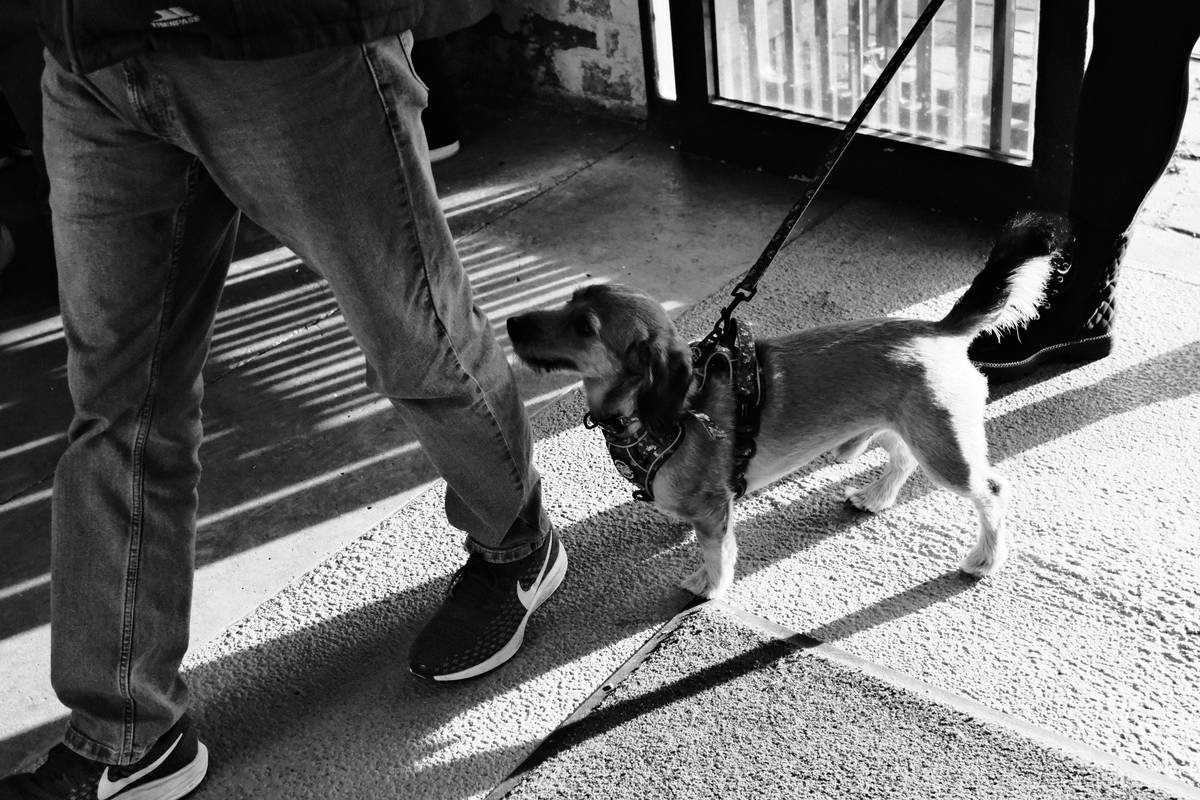
How Much Difference Can Good Training Make?
Think of it as the difference between microwaving instant ramen versus cooking a four-course meal from scratch. One works in emergencies, but the other transforms lives.
Optimist You: “We’ve got this!”
Grumpy You: “Sure…if we survive the chaos first.”
Step-by-Step Guide to Mastering Task Training Service Dog Skills
Step 1: Establish Clear Objectives
Start by identifying the specific tasks your service dog will need to master. For example:
- Picking up dropped items.
- Barking to signal for assistance.
- Pulling a wheelchair.
Customize these objectives based on your unique situation. Pro tip: Write them down. Trust me, memory is chef’s kiss unreliable when deadlines loom.
Step 2: Build Strong Foundations
Before diving into advanced tasks, ensure basic obedience skills are rock-solid. Commands like “sit,” “stay,” and “come” create a solid framework for more complex behaviors later.
If patience wears thin here, remember: even Jedi knights started as Padawans.
Step 3: Introduce Tasks Gradually
Break each task into tiny steps. Teaching “retrieve keys”? Start with grabbing small objects close by, then gradually increase distance and complexity.
This method is so effective it sounds almost too easy—but don’t fall for lazy hacks promising overnight success (more on that below).
Best Practices for Effective Training
- Use Positive Reinforcement: Reward good behavior instantly with treats, praise, or playtime.
- Be Consistent: Train daily in short bursts—10-15 minutes max per session—to avoid overwhelming Fido.
- Create Real-Life Scenarios: Practice tasks in environments similar to where they’ll execute them later.
- Avoid Overloading Information: Focus on one skill at a time until fully mastered.
Niche Slang Alert: Doing anything less is like serving uncooked toast at brunch—just plain rude.
Rant Section: Pet Peeves in Service Dog Training
Okay, let me vent. People using shock collars or punishing mistakes make my blood boil like yesterday’s coffee. Dogs learn best through trust and encouragement—not fear tactics. If that wasn’t obvious enough already, consider this rant officially delivered.
Real-World Examples of Trained Service Dogs
Meet Luna, a Labrador trained to detect changes in blood sugar levels for her diabetic handler. Thanks to meticulous task training, she alerts family members whenever levels drop dangerously low. Another star student, Max the German Shepherd, helps his PTSD-stricken veteran navigate crowded spaces without anxiety attacks. These stories prove what dedication—and proper techniques—can achieve.
Frequently Asked Questions About Task Training
Q: How long does it take to train a service dog?
A: On average, 1-2 years depending on temperament, age, and complexity of tasks required.
Q: Can I train my own service dog, or do I need a professional?
A: While DIY training is possible with extensive research and commitment, involving professionals ensures higher success rates.
Q: What happens if my dog fails partway through training?
A: Adjust expectations, revisit fundamentals, and consult experts before deciding whether to proceed.
Conclusion
Mastering task training service dog mastery requires grit, love, and endless snacks. By following structured steps, embracing best practices, and avoiding disastrous shortcuts, both you and your pup can thrive together. Remember: progress beats perfection every day.
And now, because nostalgia heals everything: Like Pikachu, your bond grows stronger with each level-up moment. Go catch ’em all!