Ever been stared down at a café because your service dog barked once? Owning and training a service animal comes with joys—and challenges. One of the most overlooked aspects is how you, as an owner, handle public interactions. It’s not just about obedience; it’s about ensuring harmony for everyone around.
This post dives into “Owner Responsibilities in Public,” breaking down everything from legal obligations to actionable tips on maintaining your pet’s behavior under pressure. You’ll learn:
- The top mistakes handlers make (and how to avoid them),
- A step-by-step guide for navigating public spaces,
- Pro tips for staying calm when things go sideways.
Table of Contents
- Key Takeaways
- Understanding the Pressure of Public Spaces
- Step-by-Step Guide to Navigating Public Areas
- Best Practices for Being a Responsible Handler
- Examples in Action: Real-Life Scenarios
- Frequently Asked Questions (FAQs)
- Conclusion
Key Takeaways
- Always check local laws regarding service animals before entering unfamiliar areas.
- Socialize your service animal regularly to reduce stress during outings.
- Avoid feeding your animal in public to maintain focus and prevent distractions.
- Pack essentials like water bottles, poop bags, and ID cards in case of emergencies.
Understanding the Pressure of Public Spaces
Let me tell you something embarrassing: I accidentally brought my poorly trained pooch to a grocery store thinking he was ready for public life. Spoiler alert—he wasn’t. He lunged at someone’s cart full of apples, scattering them across the aisle. Mortifying? Absolutely. But this taught me two lessons: “Preparation matters” and “Never wing it.”
Why Does This Matter So Much?
Imagine being visually impaired or living with PTSD—your service animal isn’t just a companion; they’re your lifeline. The responsibility to train them properly lies squarely on your shoulders. When handlers fail, it doesn’t just affect their reputation—it impacts the entire community’s perception of service animals.
The Legal Side No One Talks About
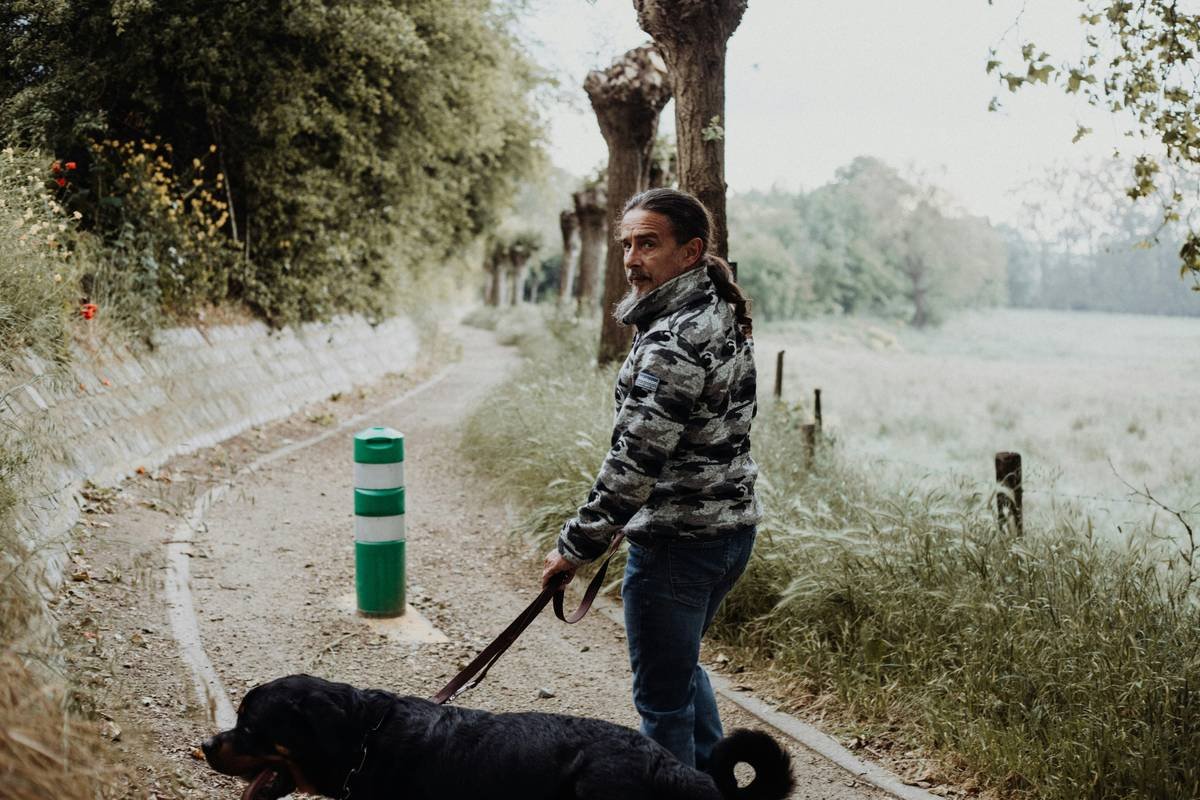
Federal law protects service animals’ rights to accompany their owners in public spaces—but there’s a catch. Your dog must remain well-behaved and non-disruptive. If Fido starts chewing furniture at Starbucks, don’t expect people to applaud your freedom!
Step-by-Step Guide to Navigating Public Areas
Optimist You:
“If humans can master malls, so can dogs!”
Grumpy You:
“Yeah, unless Fluffy decides mid-mall that escalators are the devil.”
Step 1: Pre-Trip Prep
- Gear Up: Carry necessities like portable water bowls, treats (in sealed containers!), waste bags, and a first aid kit.
- Know the Rules: Research venue policies ahead of time. For instance, some airlines require specific harnesses.
Step 2: Training Drills
- Practice Commands: Reinforce commands like “sit,” “stay,” and “focus” daily.
- Simulate Chaos: Train in busy environments like parks or farmers’ markets to mimic real-world scenarios.
Step 3: During the Outing
- Maintain Control: Keep your dog close and use verbal cues if necessary.
- Stay Observant: Anticipate potential triggers like loud noises or other animals.
Best Practices for Being a Responsible Handler
- Avoid Distractions: Resist the urge to scroll through social media while your pup sits patiently nearby.
- Educate Bystanders: Politely explain your dog’s role if questioned rudely.
- Keep It Professional: Don’t let strangers pet your dog without permission—it disrupts their job.
**Warning! Avoid This Tip:** Letting your service animal roam freely off-leash. Not only does this endanger others, but it could also get both you and your furry friend banned from future visits.
Rant Alert: Honestly, why do businesses think asking invasive questions about disabilities is acceptable?! Newsflash: It’s none of your business whether someone has papers for their emotional support peacock (true story).
Examples in Action: Real-Life Scenarios
Take Sarah, who trains PTSD assistance dogs. She shared how consistent socialization helped her client’s Labrador transition smoothly into restaurant settings despite initial anxiety around crowds. Patience truly pays off!
Frequently Asked Questions (FAQs)
Q: Can restaurants deny entry to service animals?
No, federal law prohibits discrimination based on disability. However, businesses can ask two questions: Is the dog required due to a disability? And what task(s) is the dog trained to perform?
Q: How do I stop nosy strangers from distracting my service dog?
A polite yet firm response works wonders: “Please don’t touch him—he’s working right now.” Most folks mean no harm; they simply lack awareness.
Conclusion
Navigating public spaces with a service animal demands preparation, patience, and professionalism. By following these guidelines—from prepping gear to handling awkward encounters—you can ensure smooth sailing wherever you go.
Remember: Your actions reflect not just on you but also on the broader service animal community. Be the example we all need!
And hey, if all else fails… remember Murphy’s Law applies even here. Like a Tamagotchi, your SEO—and your service dog etiquette—needs daily care 🐶✨.