Table of Contents
- Introduction
- Why Task Training Matters
- Step-by-Step Guide to Task Training
- Best Practices & Tips
- Real-World Examples
- Frequently Asked Questions (FAQs)
- Conclusion
Introduction
Ever tried teaching your dog to fetch the mail without dropping it or opening a door for you? It’s harder than it looks, right? That’s because task training service animals goes way beyond basic obedience—it’s about creating a finely tuned partnership where both human and animal thrive. This guide will walk you through everything you need to know about task training service animal, including why it’s critical, how to do it step by step, and insider tips that actually work.
In this post, we’ll explore:
- The importance of proper task training.
- A foolproof step-by-step process for success.
- Pro tips from seasoned trainers.
- Real-life success stories.
Key Takeaways
- Task training builds trust and functionality between handler and service animal.
- Start with foundational behaviors before advancing to complex tasks.
- Patience is everything—this isn’t a “get results overnight” deal.
- Professional guidance can save you months of trial and error.
Why Task Training Matters
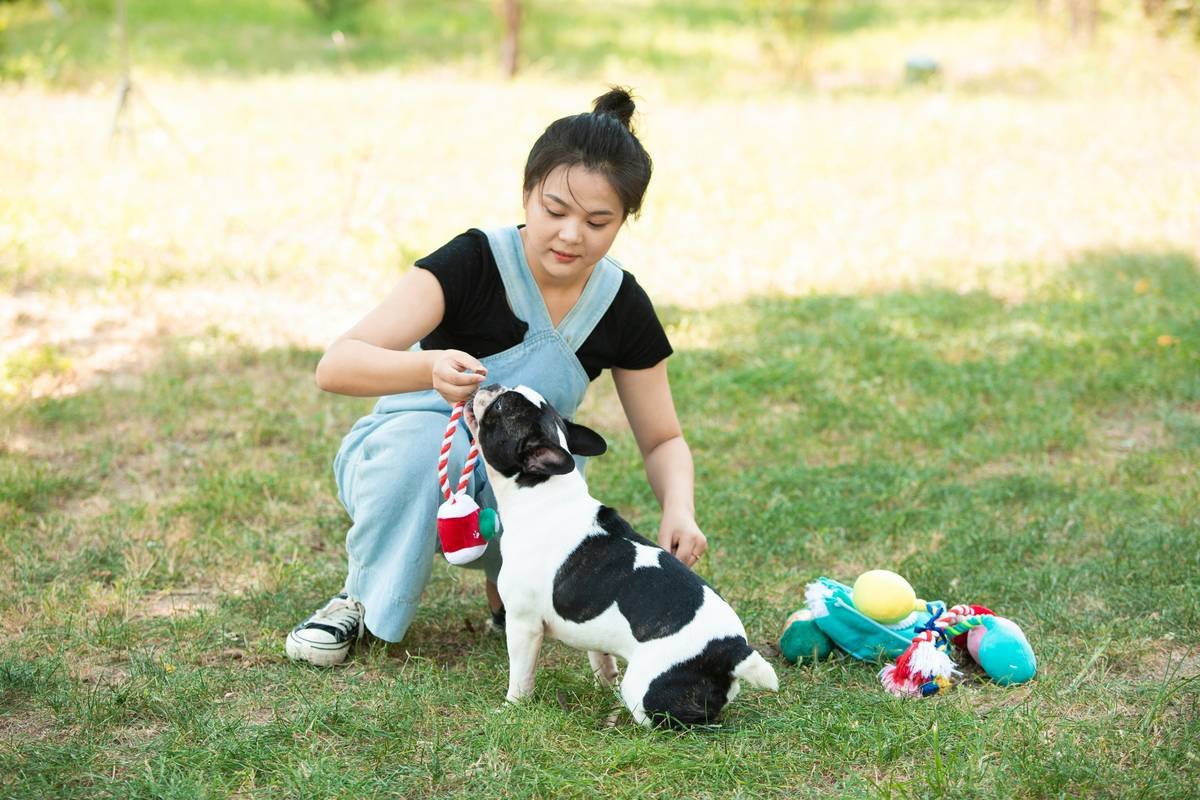
Let me paint a picture for you. Imagine being stuck at home because your mobility challenges make everyday errands impossible. Now imagine having a loyal companion trained specifically to assist with those challenges—an animal who retrieves dropped items, opens doors, or even alerts you during medical emergencies. Sounds life-changing, huh?
But here’s the catch: without proper task training service animal, these skills won’t stick. A poorly trained animal might perform inconsistently or become frustrated, leaving both handler and pet stressed out. I once worked with someone whose untrained dog chewed up their hearing aid batteries—not exactly helpful!
Optimist You:
“With the right approach, anyone can master task training!”
Grumpy You:
“Ugh, fine—but only if coffee’s involved.”
Step-by-Step Guide to Task Training
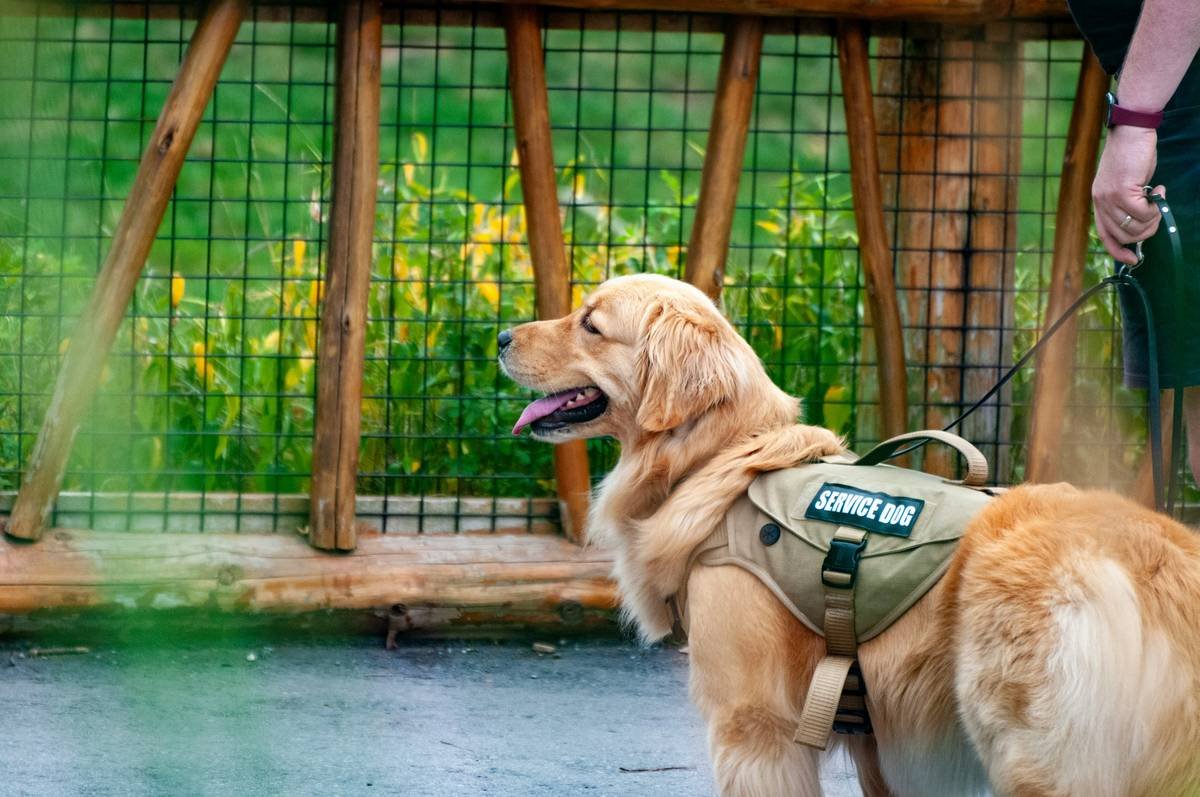
Step 1: Start Small—Build Foundational Behaviors
Before tackling advanced tasks, focus on mastering simple commands like “sit,” “stay,” and “come.” Think of it as building blocks; each command helps establish discipline and communication.
Step 2: Introduce Simple Tasks Gradually
Once your pup has the basics down, move on to easier tasks like retrieving objects or pressing buttons. Reward consistent behavior generously with treats, praise, or playtime.
Step 3: Progress to Complex Tasks
After they’ve got the hang of simpler jobs, introduce more complicated ones like pulling a wheelchair or guiding visually impaired handlers. Keep sessions short (5–10 minutes) to avoid burnout.
Step 4: Generalize Commands Across Environments
A well-trained service animal performs reliably in all settings, not just at home. Practice tasks in different locations—from busy parks to quiet offices—to ensure adaptability.
Step 5: Regularly Reinforce Learned Behaviors
Consistency is king. Even after your animal masters a skill, continue practicing regularly to maintain proficiency.
Best Practices & Tips
- Use Positive Reinforcement: Punishment breaks trust; rewards build it.
- Stay Patient: Animals learn at their own pace—don’t rush them.
- Involve Professionals: Certified trainers bring expertise and objectivity.
- Track Progress: Keep a journal documenting milestones and setbacks.
Here’s a Terrible Tip:
Skip breaks to maximize productivity. Yeah, that’s a recipe for disaster. Burnt-out humans + burnt-out dogs = zero progress.
Real-World Examples
Tanya’s story blew me away. After suffering a spinal injury, she adopted Max, a Labrador Retriever, and began task training service animal routines herself. Within six months, Max could open doors, pick up groceries, and alert her when strangers approached. Her social media posts went viral, inspiring thousands worldwide!
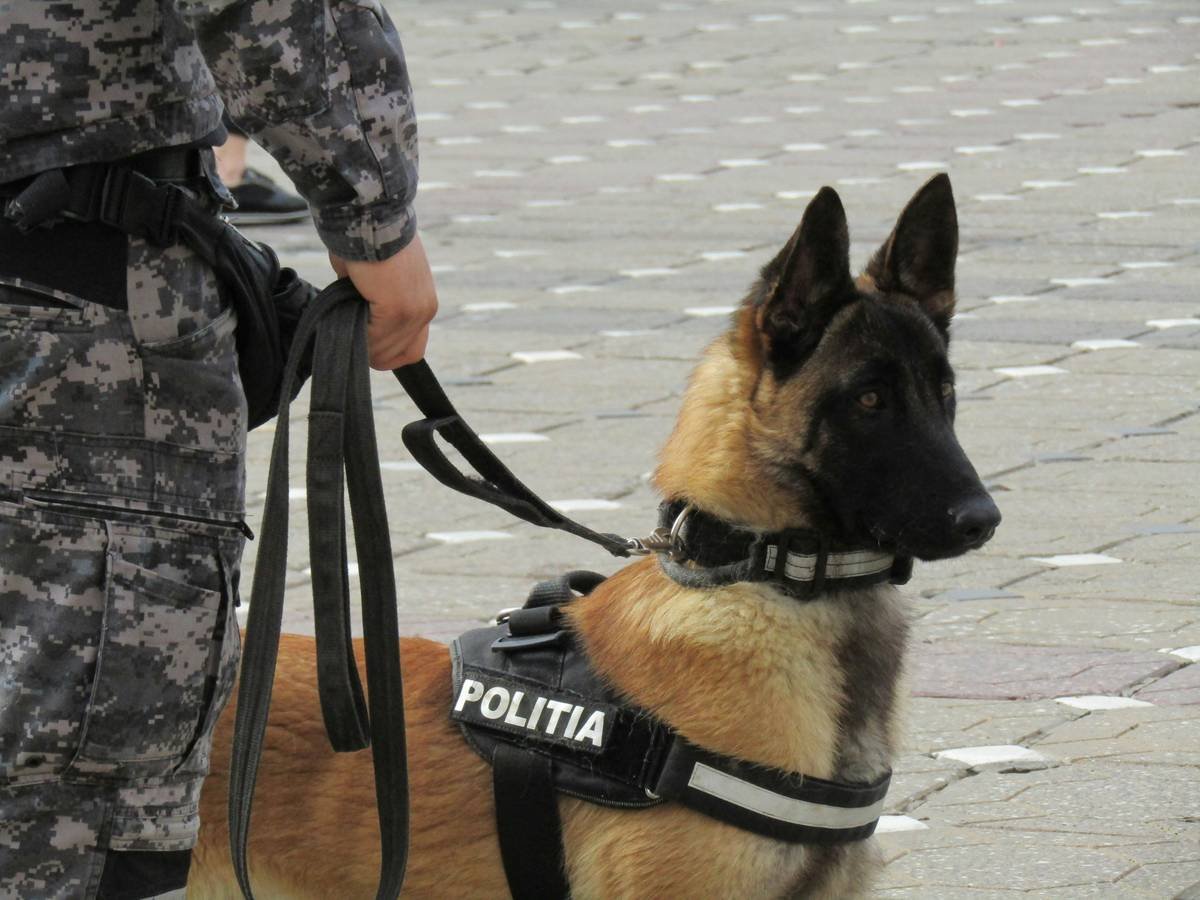
This proves one thing clearly: With dedication and methodical training, transformation is possible.
Frequently Asked Questions (FAQs)
How long does task training take?
It varies depending on the complexity of tasks, but expect anywhere from 6 months to over a year.
Can any breed be trained as a service animal?
Yes, though certain breeds excel due to temperament and size. Always prioritize personality over pedigree.
Do I need professional help?
While DIY methods exist, consulting experts ensures quicker results and fewer errors.
Conclusion
Training a task training service animal is no small feat, but the payoff—a reliable partner enhancing your independence—is priceless. Remember, patience and consistency are crucial ingredients. And hey, don’t forget the snacks… they’re kind of important too.
Now go forth and conquer the world of service animal training—one paw at a time. 🐾
Like a Tamagotchi, your SEO needs daily care.
Got questions? Drop ‘em below—I’m all ears!