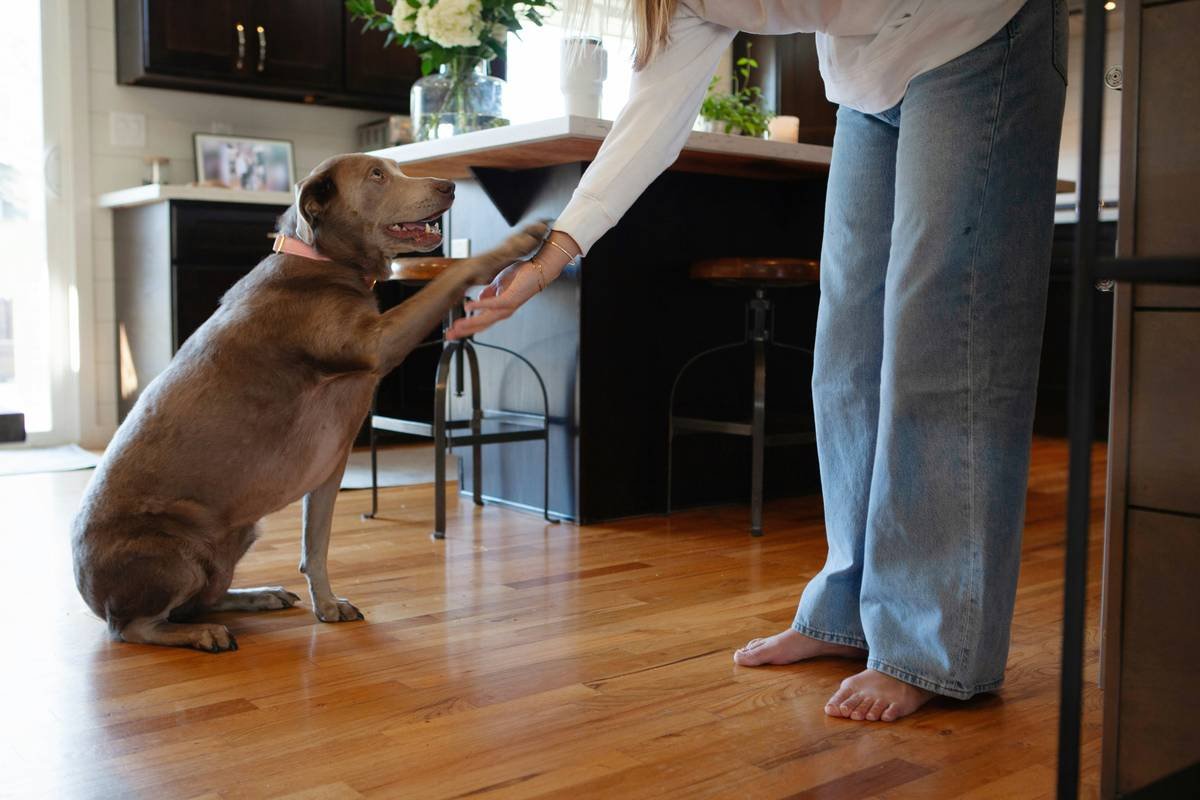
Ever walked into a grocery store with your service dog, only to be met with confused stares and whispered comments? Yeah, we’ve all been there. Navigating public spaces with a support animal can feel like trying to solve a Rubik’s Cube blindfolded—frustrating, awkward, and occasionally embarrassing.
In this post, you’ll discover how to master support animal public etiquette, from training basics to handling real-world scenarios. We’ll cover the dos and don’ts of public behavior, actionable tips for both handlers and their furry companions, and even tackle some cringeworthy moments we’d rather forget (like the time my service dog decided a stranger’s sandwich was “fair game”). Ready? Let’s dive in!
Table of Contents
- Key Takeaways
- Why Support Animal Public Etiquette Matters
- Step-by-Step Guide to Training Your Service Animal
- Tips for Practicing Good Public Etiquette
- Real Stories: Successes & Fails in Public Spaces
- FAQs About Support Animal Public Etiquette
Key Takeaways
- Public etiquette is essential for maintaining respect and access rights for support animals.
- Consistent training establishes trust and clear communication between handler and animal.
- Handlers must advocate for their animal while also respecting others’ boundaries.
- Common mistakes, like not preparing for distractions, can lead to awkward encounters.
Why Support Animal Public Etiquette Matters
Imagine walking through a crowded mall with your emotional support cat perched confidently on your shoulder. Sounds cute, right? Now imagine someone sneezes loudly nearby, startling your feline friend who bolts toward an unsuspecting ice cream stand. Chaos ensues. Sound familiar?
The importance of support animal public etiquette cannot be overstated. It ensures your pet remains calm and focused, prevents disruptions, and safeguards public perception of service/support animals. Poor etiquette not only embarrasses handlers but also jeopardizes future access for other legitimate users.
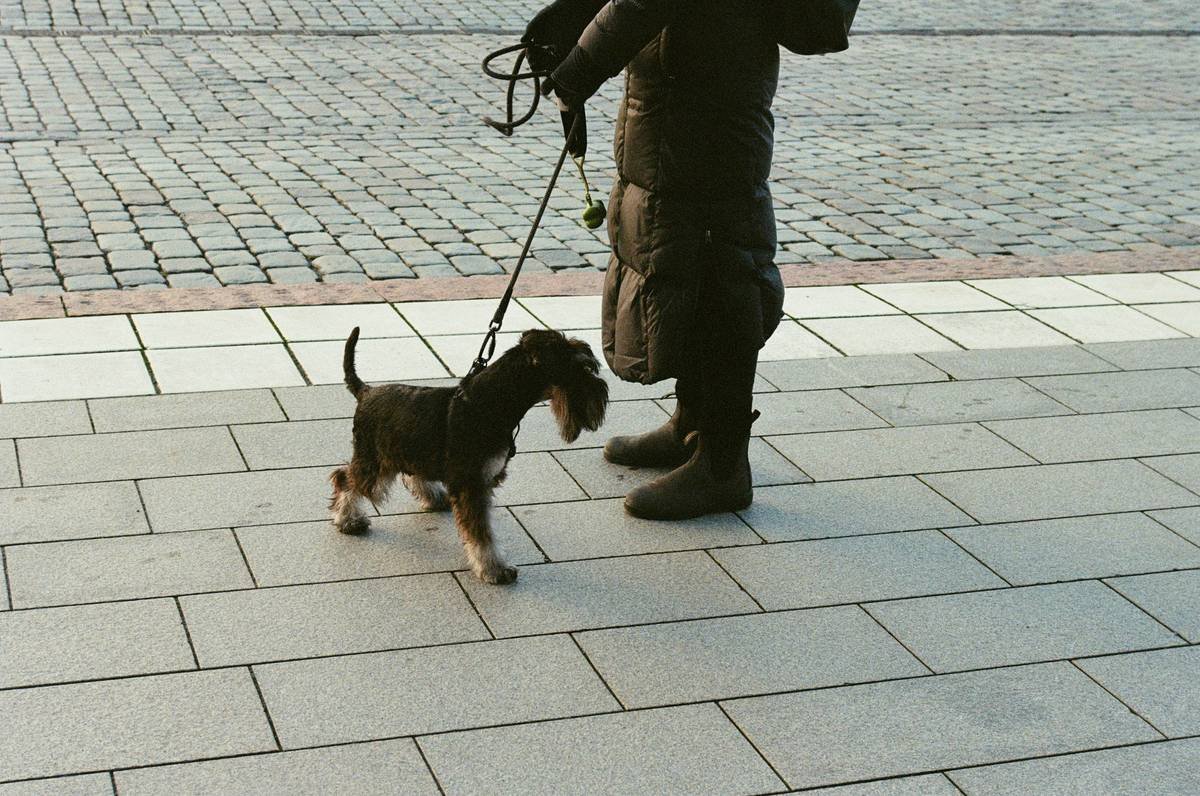
Step-by-Step Guide to Training Your Service Animal
Training isn’t just about teaching commands—it’s about creating partnerships built on mutual understanding and respect. Here’s how to get started:
Step 1: Teach Basic Obedience Commands
Before tackling advanced skills, ensure your animal masters sit, stay, come, and heel. These foundational commands are non-negotiable.
Step 2: Practice Focus Exercises
Train your animal to ignore distractions like food smells or loud noises. Pro tip: Use treats strategically placed near distractions during practice sessions.
Step 3: Simulate Real-World Scenarios
Visit parks, malls, and restaurants (if allowed) to expose your animal to different environments. Start small, then gradually increase difficulty levels.
“Optimist You:” “This will make outings seamless!”
“Grumpy You:” “Yeah, unless they decide chasing pigeons is more fun…”
Tips for Practicing Good Public Etiquette
Do:
- Always carry necessary documentation proving your animal’s status.
- Keep your animal leashed or harnessed unless specifically trained otherwise.
- Be prepared to politely educate those unfamiliar with support animals.
Don’t:
- Let your animal interact freely with strangers without explicit permission.
- Bring your animal to places where pets aren’t typically welcome (e.g., zoos).
- Neglect grooming—no one appreciates shedding fur on public seating.
Terrific Tip:
One terrible piece of advice floating around suggests letting your untrained puppy tag along everywhere to “get used to it.” This approach often backfires spectacularly, leading to overwhelmed pups and frustrated handlers. Avoid chaos by sticking to structured socialization instead.
Real Stories: Successes & Fails in Public Spaces
Take Jane Doe, whose service dog Max became a local hero after calmly defusing a panic attack mid-flight. On the flip side, consider Tim Smith, whose therapy rabbit once escaped its carrier mid-performance review (*cringe*). The takeaway? Preparation makes all the difference.
FAQs About Support Animal Public Etiquette
Can I bring my support animal anywhere?
Nope! While laws grant certain privileges, private businesses retain the right to set restrictions.
What should I do if someone questions my animal’s legitimacy?
Politely provide documentation if requested, but know you’re under no obligation to explain your condition.
Is it rude to deny kids petting my support animal?
Not at all. Your priority is your animal’s role—not entertaining strangers.
Conclusion
Mastering support animal public etiquette requires patience, consistency, and empathy—but it pays off tenfold. By investing time in proper training and preparation, you empower both yourself and your companion to navigate public spaces confidently.
To recap:
- Prioritize obedience and focus exercises.
- Respect public guidelines and others’ comfort zones.
- Anticipate challenges and plan accordingly.
Like a Tamagotchi, your partnership needs daily care. Happy training!