Ever wondered why your service animal isn’t mastering tasks as quickly as you hoped? Yeah, we’ve been there too.
In this blog post, we’ll dive deep into the world of service animal task enhancement. Whether you’re training a dog to fetch medications or alert you to an oncoming seizure, knowing how to optimize their performance can make all the difference. You’ll learn what task enhancement really means, step-by-step strategies for improvement, common mistakes to avoid, and even some inspiring real-life examples. Plus, I’ll sprinkle in my own confessional fails so you know you’re not alone!
Jump Straight to What You Need
- Key Takeaways
- Why Service Animal Task Enhancement Matters
- Step-by-Step Guide to Enhancing Tasks
- Tips for Effective Training
- Success Stories & Real-Life Examples
- FAQs About Service Animal Training
Key Takeaways
- Task enhancement improves your service animal’s ability to perform specific duties reliably.
- Focus on clear communication, repetition, and positive reinforcement during training.
- Avoid shortcuts like over-rewarding or skipping foundational commands—they always backfire.
- Persistence pays off; patience is key when teaching complex behaviors.
- Tailor your approach based on the breed, temperament, and individual quirks of your animal companion.
Why Service Animal Task Enhancement Matters
Imagine relying on your service dog to detect blood sugar drops but realizing they only respond half the time. Scary, right? That’s where service animal task enhancement comes in—the secret sauce that ensures consistency, reliability, and precision in your furry partner’s skills.
According to a recent survey by Assistance Dogs International, nearly 30% of handlers reported needing additional training support due to inconsistent task performance. This stat underscores just how crucial proper training techniques are—not just for convenience but for safety.
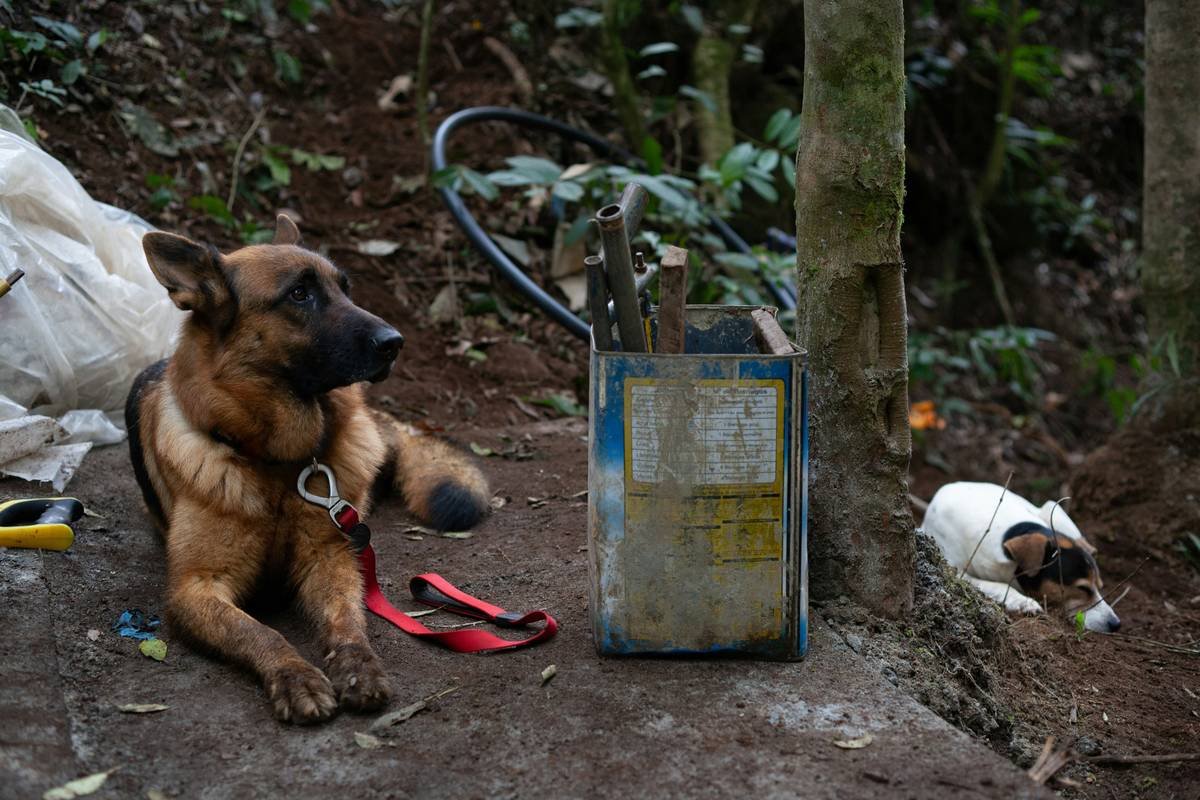
I once made the rookie mistake of rushing through basic obedience training because I thought my Golden Retriever was “too smart” to need it. Big oof moment when she started ignoring me mid-task weeks later. Lesson learned: Foundations matter more than flashy tricks!
Step-by-Step Guide to Enhancing Tasks
Optimist You: “Follow these steps!”
Grumpy Me: “Ugh, fine—but only if coffee’s involved.”
Step 1: Assess Your Dog’s Current Skills
Start by identifying which tasks your service animal performs well and where they struggle. For instance, does Fido excel at opening doors but falters during medical alerts?
Step 2: Break Down Complex Commands
Complex tasks should be broken into smaller, manageable parts. Teach each part separately before combining them. Think of it like baking a cake layer by layer instead of tossing everything together at once.
Step 3: Incorporate Positive Reinforcement
Reward good behavior immediately with treats, praise, or playtime. Avoid punishment—it creates fear and confusion, making learning slower and less effective.
Step 4: Practice Under Distractions
Gradually introduce distractions like noise, strangers, or other animals. Start small (one distraction) and increase intensity over time. Sounds easy until you hear that whirrrr of chaos-inducing squirrels outside the window.
Tips for Effective Training
- Keep Sessions Short: Aim for 5–10 minutes per session to prevent burnout.
- Be Consistent: Use the same cues, rewards, and methods every single time.
- Track Progress: Maintain a journal to document successes, setbacks, and breakthroughs.
- Hire a Pro When Needed: A certified trainer can save you months of trial-and-error.
Success Stories & Real-Life Examples
Lisa from Chicago trained her Labrador, Max, to assist with mobility issues after a car accident left her unable to bend down easily. At first, Max struggled with retrieving dropped items without knocking stuff over. After implementing targeted task enhancement exercises—like gradually placing objects farther away—Max mastered the skill within three months. Now, he’s Lisa’s rock star helper!
FAQs About Service Animal Training
Q: How long does it take to enhance a service animal’s task?
A: It depends on the complexity of the task and the individual animal, but most improvements occur within 1–6 months of consistent training.
Q: Can older dogs learn new tasks effectively?
A: Absolutely! While younger dogs may pick things up faster, older dogs often have better focus and discipline.
Q: Is professional training necessary?
A: Not always mandatory, but highly recommended for advanced tasks requiring high accuracy.
Conclusion
To recap, enhancing your service animal’s tasks boils down to understanding their needs, breaking tasks into digestible chunks, and sticking with consistent practice. Remember, persistence trumps perfection—a lesson both humans and animals must embrace.
Now go give your four-legged friend a cuddle (and maybe a cookie). They deserve it!
*Random Haiku Moment:
Paws touch hearts deeply,
Tasks mastered, bonds grow stronger.
Together forever.* 🐾✨