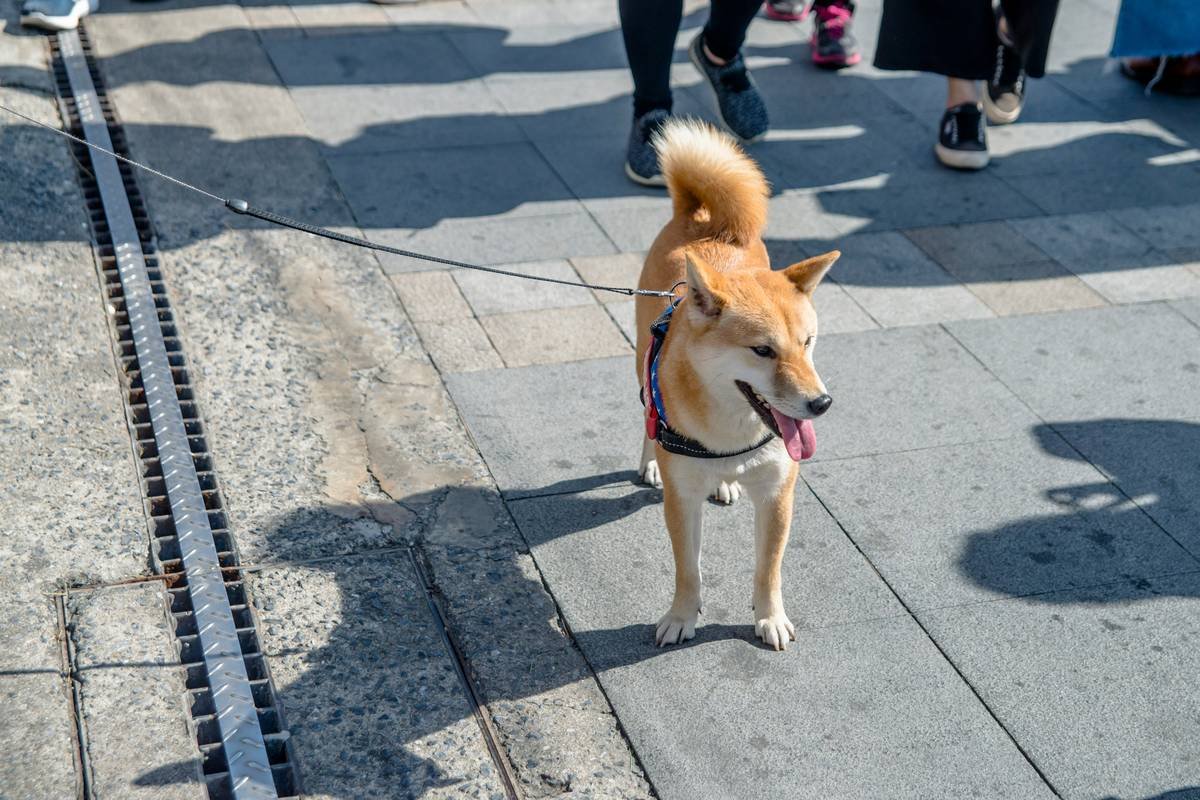
Ever been in a grocery store and seen someone argue with a pet owner about their “service animal”? Or maybe you’ve wondered how to prepare your own service dog for public outings without the stress? Yeah, we’ve been there too. Today, we’re diving deep into the world of service animal public access, so you can confidently train your support companion while navigating real-world challenges.
Table of Contents
- Why Service Animal Public Access Matters
- Step-by-Step Guide to Training for Public Access
- Top Tips for Success
- Real-Life Examples
- Frequently Asked Questions
Key Takeaways
- Public access training ensures your service animal behaves appropriately in all environments.
- Consistency and patience are key—don’t rush the process!
- Knowing local laws protects both you and your service animal from unnecessary conflicts.
Why Service Animal Public Access Matters
Let’s get one thing straight: training a service animal isn’t just about teaching them cool tricks—it’s about ensuring they can perform tasks that improve quality of life, especially in public spaces. But here’s the kicker… did you know many service animals fail public access tests because of minor behavioral issues like barking or pulling on leashes?
I once spent weeks training my golden retriever Max only to embarrassingly learn during a restaurant outing that he couldn’t handle food smells. Talk about an #EpicFail. That’s why mastering public access skills is critical—not just for legal compliance but also for building trust between handlers and businesses.
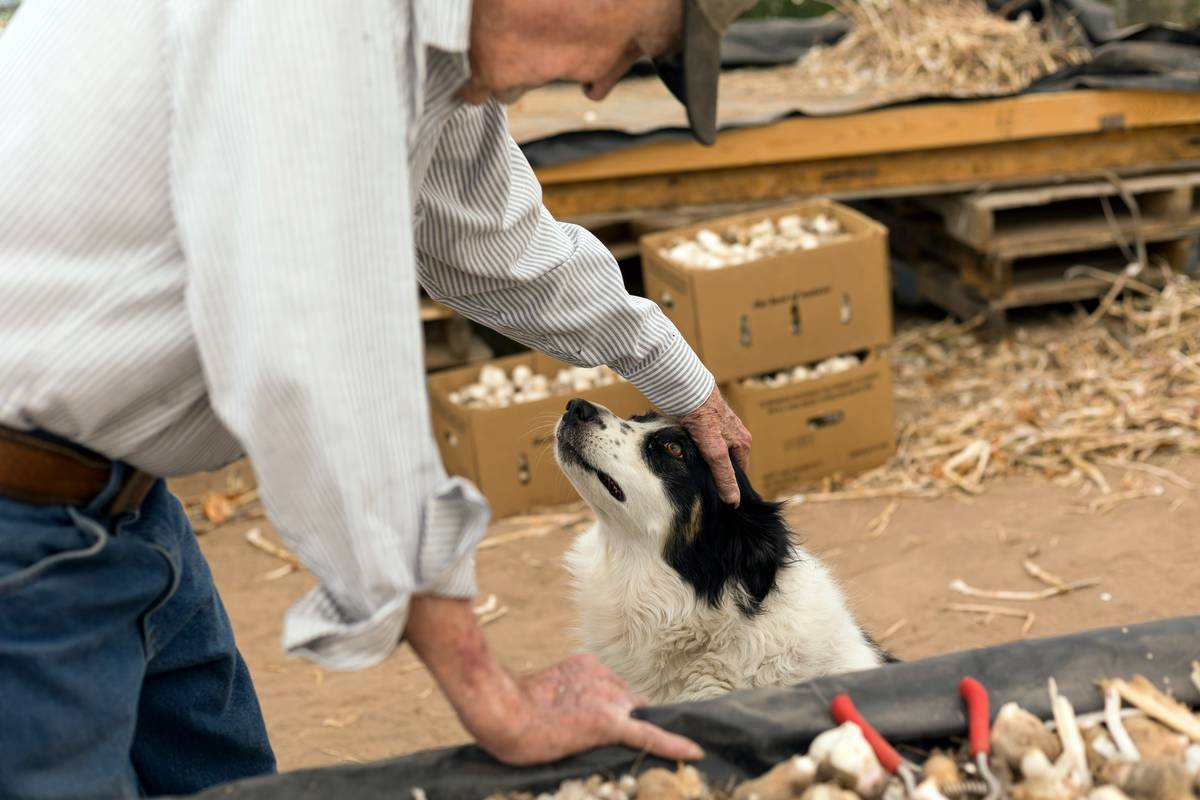
The Pain Points:
- Avoiding distractions (traffic noises, loud crowds).
- Handling confrontations from uneducated bystanders.
- Ensuring your animal stays calm under pressure.
Optimist You: “It’s totally doable!”
Grumpy You: “Yeah, as long as I don’t have another meltdown over leash etiquette.”
Step-by-Step Guide to Training for Public Access
If you’re ready to take the plunge into public access training, follow these steps:
1. Master Basic Obedience First
Before hitting crowded streets, ensure your animal has mastered sit, stay, come, and heel commands. Practice makes perfect—or at least less chaotic.
2. Simulate Real-Life Scenarios
Create mock situations like busy sidewalks, shopping carts zooming by, or random strangers trying to pet your pup. This desensitization helps build confidence.
3. Work on Impulse Control
No matter how tempting those dropped fries look, your service animal must resist scavenging. Reward self-control consistently.
4. Gradual Exposure to Noise and Stressors
Start small—quiet parks, then move to busier areas. Think of it like leveling up in a video game; each stage builds resilience.
5. Legal Knowledge Is Power
Familiarize yourself with ADA regulations regarding service animal public access. Knowing your rights prevents awkward showdowns.
Note: One terrible tip floating around online suggests skipping foundational training and jumping directly into public exposure. Please don’t fall for this nonsense. It’s a recipe for disaster—and possibly losing public privileges altogether.
Top Tips for Success
Tips for Handlers:
- Use positive reinforcement exclusively—no yelling allowed.
- Keep training sessions short yet frequent to maintain focus.
- Involve certified trainers if needed; they’re worth every penny.
- Pack essentials like water bowls and emergency treats.
Rant Alert:
Seriously, why do some people bring untrained pets into stores claiming they’re “service animals”? Not cool. These fake claims undermine legitimate service animal teams everywhere. Ugh, end rant.
Tip Comparison Table:
| Training Style | Pros | Cons |
|---|---|---|
| Positive Reinforcement | Builds strong bonds, reduces fear | Requires consistency, slower progress initially |
| Correction-Based | Faster results for certain behaviors | Risks damaging trust, outdated methods |
Real-Life Examples
Take Sarah, a visually impaired woman whose guide dog, Luna, went through rigorous public access training. After months of practice, Luna became a rockstar companion who navigated bustling city streets flawlessly. Their story proves dedication pays off.
Conversely, Tom’s anxiety-alert dog struggled after insufficient public prep. He learned the hard way that cutting corners costs time and money later.
Frequently Asked Questions
What qualifies as a service animal?
A service animal performs specific tasks related to their handler’s disability, such as guiding the blind or alerting seizures.
Can I train my own service animal?
Yes! While professional assistance is recommended, DIY training is possible with proper guidance.
Do businesses have to allow service animals?
Under ADA rules, yes—but they can ask two questions: Is the animal required due to a disability? What task does it perform?
Conclusion
In conclusion, mastering service animal public access requires effort, patience, and knowledge. By focusing on obedience, scenario simulations, impulse control, gradual stressor introductions, and knowing your rights, you’ll unlock smoother public experiences. Remember: consistency is chef’s kiss!
Like a Tamagotchi, your SEO needs daily care. 🐾