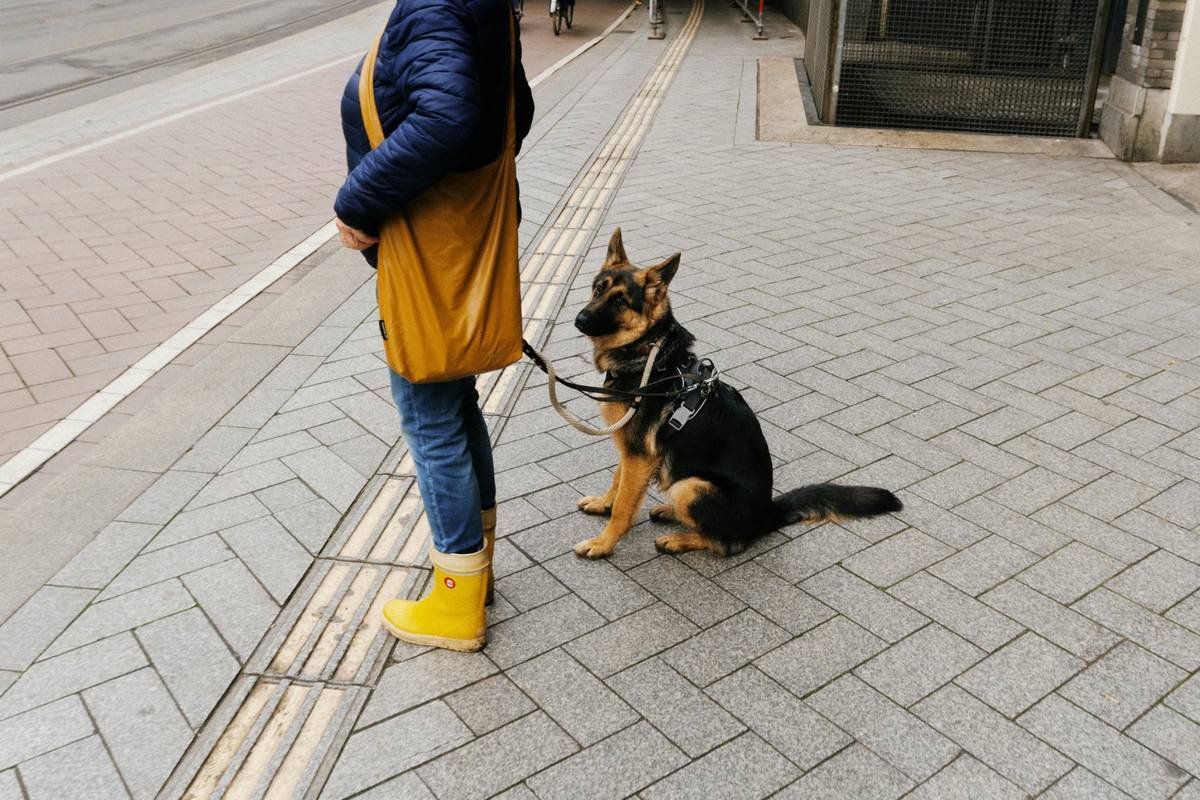
Ever tried taking your service dog to a crowded store only to face stares and questions? Yeah, we’ve been there. Training a public access support dog is no small feat—it’s a mix of patience, persistence, and knowing the rules like the back of your hand. In this guide, you’ll learn everything about public access support dog guidelines, from what they mean to how you can prepare yourself and your furry companion for success. You’ll discover step-by-step training tips, expert advice, and even some real-life lessons (the good, the bad, and the “oops”). Let’s dive in!
Table of Contents
- Key Takeaways
- Why Are Public Access Guidelines Important?
- Step-by-Step Guide to Training a Public Access Support Dog
- Top Tips & Best Practices
- Real-Life Success Stories
- Frequently Asked Questions About Public Access Guidelines
Key Takeaways
- Public access support dog guidelines ensure both safety and respect in shared spaces.
- Training requires consistency, patience, and adherence to specific behaviors outlined by the Americans with Disabilities Act (ADA).
- Ignoring these guidelines could lead to denied access or fines—so don’t skip the prep phase.
- Socialization and obedience are foundational skills every public access support dog must master.
Why Are Public Access Guidelines Important?
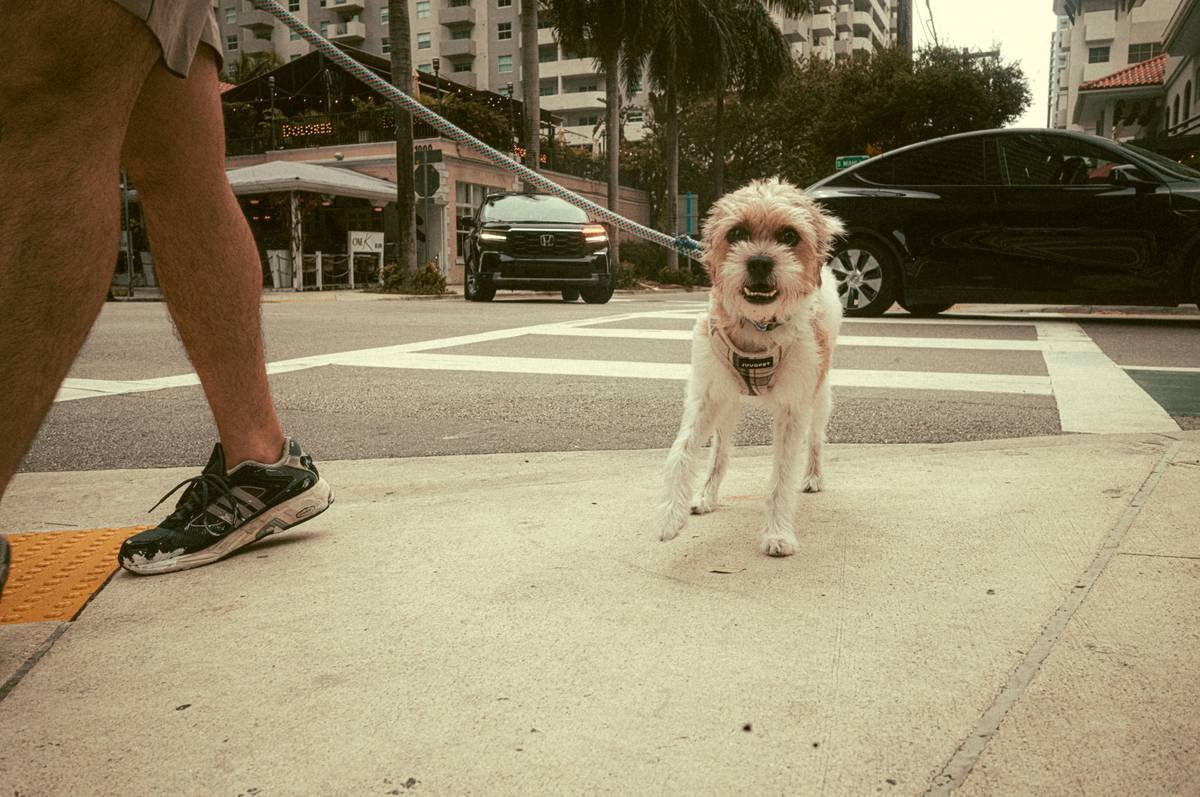
The ADA defines service animals as dogs trained to perform tasks directly related to their handler’s disability. However, not all businesses understand—or play by—the same rulebook. Picture this: I once walked into a coffee shop with my service pup, Taco. The barista immediately started asking where his “papers” were (*spoiler alert: there’s no such thing!*). That moment left me frazzled but also inspired to share exactly why understanding public access support dog guidelines matters.
Without proper training, your pup might bark at strangers, jump on counters, or sniff food displays—a recipe for disaster when trying to maintain calm in public spaces. Businesses have rights too; if your dog disrupts operations, they’re allowed to ask you to leave. So yeah, let’s avoid those awkward encounters, shall we?
Step-by-Step Guide to Training a Public Access Support Dog
Ready to turn your pupper into the next certified superstar? Here’s how:
Step 1: Start with Basic Obedience
No shortcuts here, folks. Every champion starts with the basics. Begin with commands like sit, stay, come, and heel. Use treats sparingly—your praise is their biggest reward.
Step 2: Socialize Like Crazy
Your dog needs to meet people, other pets, loud noises, slippery floors—you name it. This builds confidence without triggering fear-based reactions later.
Step 3: Practice Public Scenarios
Optimist You: “Let’s practice walking through Target!”
Grumpy You: “Fine, but only after my third cup of coffee…”
Pack up and hit local pet-friendly stores or outdoor malls. Gradually increase distractions while reinforcing behavior expectations. If Fido pulls toward a toy display, gently redirect them back to focus.
Step 4: Perfect Focus Under Distraction
If someone drops their lunch near your pup during lunch rush hour, their nose better not twitch an inch unless commanded otherwise. Consistency = key.
Top Tips & Best Practices
- Vest Up: Dress your dog appropriately. A vest signals professionalism and helps curb intrusive questions.
- Know Your Rights: Learn the ADA guidelines inside out—you’re legally protected against discrimination.
- Avoid Overloading Commands: Keep verbal cues simple. Dogs aren’t mind readers, despite what Instagram videos tell us.
- Ditch These Terrible Tips: Some people suggest never rewarding mistakes—WRONG. Positive reinforcement always wins.
Real-Life Success Stories
Meet Charlie, a Labrador Retriever who went from unruly couch potato to a perfectly mannered autism support dog. His owner followed the exact steps mentioned above: gradual socialization, consistent training sessions, and practicing patience (lots of it). Today, Charlie accompanies his handler everywhere—from therapy appointments to family vacations. It wasn’t overnight magic—it was hard work wrapped in love.
Frequently Asked Questions About Public Access Guidelines
Do service dogs need special certification?
Nope! According to the ADA, registration papers aren’t mandatory—but proving task-specific training is crucial.
Can restaurants deny my service dog entry?
No way, José. Unless your pup poses a direct threat or isn’t housebroken, businesses must comply with ADA rules.
What counts as disruptive behavior?
Barking excessively, growling at customers, or jumping onto chairs/tables can cost you that sweet VIP pass.
Conclusion
By now, you should feel equipped to train your public access support dog using proven methods aligned with official guidelines. Remember, it’s less about perfection and more about progress. So go ahead—grab that leash and start building memories together.
And remember, just like a Tamagotchi needing daily care, your journey with your support dog demands daily effort. Cheers to becoming unstoppable partners!