Ever found yourself struggling to train your service animal, only to feel like you’re failing both yourself and your furry lifeline? You’re not alone.
If you’re reading this, chances are you know the value of an owner service animal support system. Maybe it’s been life-changing—or maybe it hasn’t quite clicked yet. Whether you’re just starting or want to refine your training skills, we’ve got the roadmap for you. By the end of this post, you’ll understand how to build trust, tackle common challenges, and keep your training consistent without losing your mind (or your coffee).
Table of Contents
- The Importance of Owner Service Animal Support
- Steps to Train Your Service Animal
- Tips and Best Practices for Successful Training
- Real-World Examples That Inspire
- FAQs About Owner Service Animal Support
Key Takeaways
- Understanding the bond between you and your service animal is crucial for effective training.
- Consistency and patience are non-negotiable when working on owner service animal support.
- Professional guidance can accelerate progress but isn’t always necessary.
- Avoid rushing—building trust takes time.
- Invest in tools that help reinforce positive behaviors.
Why Owner Service Animal Support Matters More Than You Think
Here’s a confession: I once tried to teach my dog “fetch” using verbal commands alone. No treats. No clickers. Just me shouting instructions into the void while he sat there giving me judging eyes. Spoiler alert: It didn’t work. Why? Because support animals aren’t machines—they need clear communication, reinforcement, and yes, snacks.
Owner service animal support is the backbone of any successful partnership. These animals provide critical aid for people with disabilities, mental health conditions, or mobility issues. Failure to properly train them doesn’t just mean inconvenience—it means risking their ability to perform essential tasks. And let’s be real, no one wants to explain why their service dog isn’t ready during a TSA check at the airport.
So what makes owner service animal support so important? First, it ensures reliability. Second, it strengthens the emotional connection between handler and animal. Finally, it sets realistic expectations—for both parties.

How to Train Your Service Animal: Step-by-Step
Training your service animal may sound daunting, but breaking it down into manageable steps can make all the difference. Here’s how:
Step 1: Build Trust First
Before diving into tricks, focus on building a strong foundation of trust. Spend quality time together, use calming tones, and reward good behavior immediately.
Step 2: Introduce Basic Commands
Start simple: “Sit,” “Stay,” “Come.” Use treats or toys as rewards. Repeat each command until your pup nails it consistently before moving on.
Step 3: Gradually Introduce Task-Specific Training
Depending on your needs—whether it’s retrieving dropped items or alerting to medical emergencies—you’ll need specific training techniques. For example, teaching a diabetic alert dog involves associating scent cues with actions.
Step 4: Simulate Real-Life Scenarios
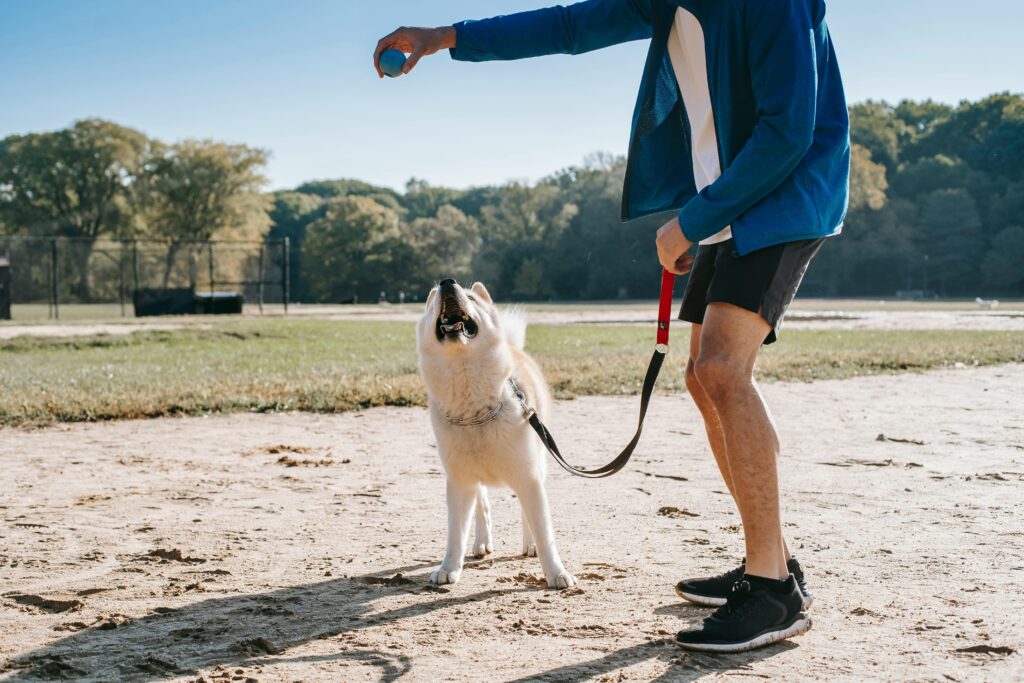
Practice in environments similar to where your animal will serve. Parks, crowded streets, even grocery stores (where allowed) should become part of your routine.
Pro Tips to Keep Owner Service Animal Support Effortless
- Schedule Sessions: Consistent training beats sporadic marathon sessions every time.
- Get Feedback: Consult trainers or join online groups for service animal handlers.
- Avoid Overloading: Don’t cram too many commands at once; less is more.
- Use Positive Reinforcement: Never punish mistakes. Reward successes instead.
Grumpy You: “Yeah, yeah, consistency sounds exhausting.”
Optimist You: “But hey, imagine never having to chase after your dog again!”
Success Stories from the Field
Maria, a veteran with PTSD, shares her story of adopting Max, a Labrador Retriever trained to interrupt anxiety episodes. At first, Maria doubted her abilities as a handler but persevered through daily practice. Now, Max has become her rock, allowing her to regain independence.
Another inspiring tale comes from Jake, who uses a mobility assistance dog named Luna. With professional training support tailored to his disability, they mastered advanced tasks like opening doors and turning lights on/off. Their journey proves that dedication pays off.
FAQs About Owner Service Animal Support
Q: How long does it take to fully train a service animal?
A: Typically 1-2 years, depending on complexity and individual learning pace.
Q: Can I train my own service animal?
A: Yes! Many owners opt for self-training, though professional help can speed things up.
Q: What if my animal doesn’t seem to grasp commands?
A: Revisit basics, adjust methods, or consult a trainer. Patience is key!
Q: Do service animals require special certifications?
A: Laws vary by location, but many places don’t mandate certification unless specified by housing or public access policies.
Conclusion
Training your service animal might feel overwhelming initially, but remember—it’s a journey, not a race. Focusing on owner service animal support creates a lasting bond built on trust, understanding, and shared goals. So grab your leash, put on your sneakers, and give yourself grace along the way.
“Like a Tamagotchi, your SEO needs daily care—but unlike virtual pets, results last longer than nostalgia.”