Hook: Have you ever felt like your service animal training sessions are more of a comedy of errors than a productive learning experience? We’ve all been there.
Purpose: In this post, we’ll dive into the nitty-gritty of guide work techniques, sharing insights and actionable steps to help you and your furry companion become a well-oiled team. From understanding the basics to implementing advanced strategies, you’ll learn how to make the most of your training sessions.
Preview: You’ll learn why guide work techniques are crucial, step-by-step methods to improve, best practices, real-world examples, and answers to common FAQs.
Table of Contents
- Introduction
- Key Takeaways
- The Importance of Guide Work Techniques
- Step-by-Step Guide to Mastering Guide Work Techniques
- Tips and Best Practices for Effective Training
- Real-World Success Stories
- FAQs: Common Questions Answered
- Conclusion
Key Takeaways
- Understand the critical role of guide work techniques in service animal training.
- Follow a step-by-step approach to improve your training sessions.
- Implement best practices and tips for effective and enjoyable training.
- Get inspired by real-world success stories and case studies.
- Find answers to common questions and concerns.
The Importance of Guide Work Techniques
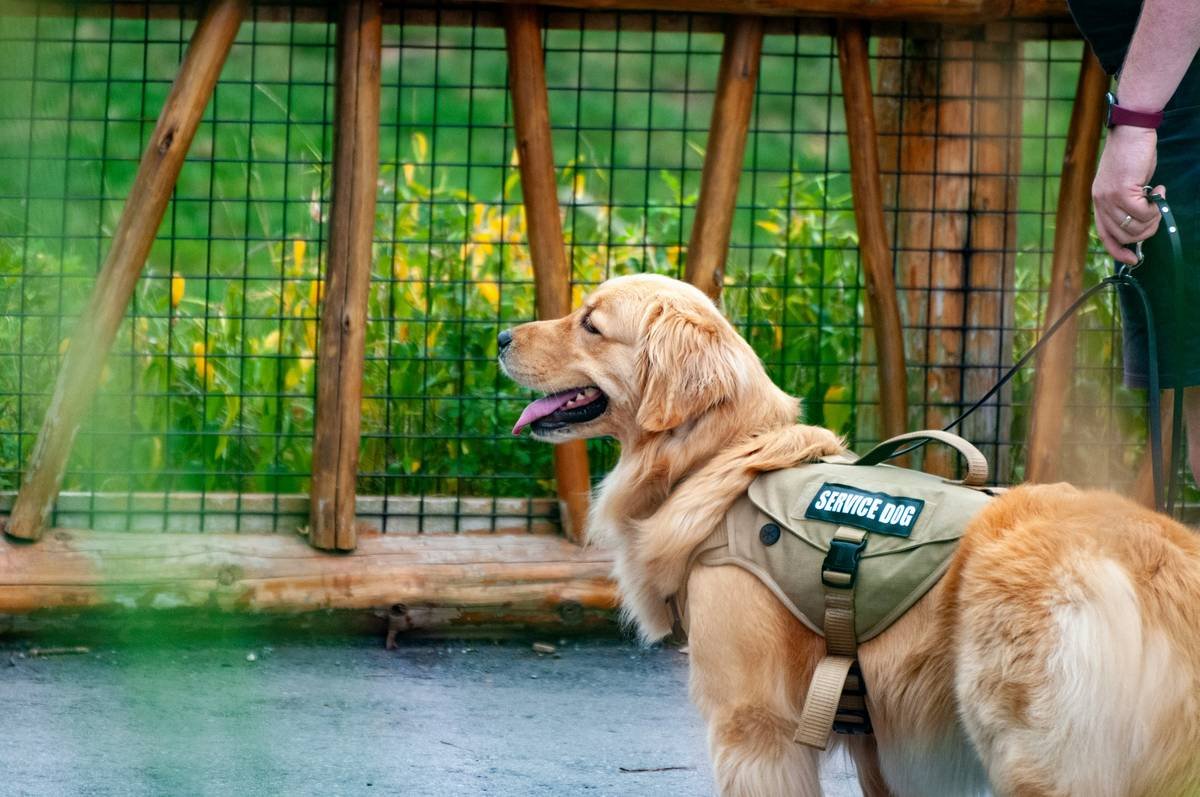
Guide work techniques are the building blocks of a successful service animal partnership. Without them, it’s like trying to build a house without a foundation—doomed to fail. These techniques help ensure that your service animal is reliable, responsive, and capable of performing tasks that can make a significant difference in your life.
Step-by-Step Guide to Mastering Guide Work Techniques
Step 1: Start with Basic Obedience
Optimist You: ‘Let’s get started on the basics!’
Grumpy You: ‘Ugh, fine—but only if coffee’s involved.’
Before diving into guide work, ensure your service animal has a solid foundation in basic obedience. This includes commands like “sit,” “stay,” and “come.” These building blocks will make the transition to more complex tasks much smoother.
Step 2: Introduce Guiding Commands
Once your service animal is comfortable with basic commands, start introducing guiding-specific commands. For example, “forward,” “left,” and “right.” Use positive reinforcement to reward correct responses and keep training sessions short and fun.
Step 3: Practice in Different Environments
Vary your training environments to help your service animal generalize their skills. Practice in quiet areas, busy parks, and even in public spaces. This exposure will help them stay calm and focused in any situation.
Step 4: Gradually Increase Complexity
As your service animal becomes proficient, gradually introduce more complex tasks. This could include avoiding obstacles, finding specific locations, or even retrieving items. Patience and consistency are key here.
Tips and Best Practices for Effective Training
- Use Positive Reinforcement: Reward good behavior with treats, praise, and affection.
- Keep Sessions Short: Service animals, like humans, have short attention spans. Keep training sessions to 10-15 minutes at a time.
- Consistency is Key: Use the same commands and hand signals consistently to avoid confusion.
- Stay Patient: Learning new skills takes time. Be patient and celebrate small victories along the way.
- Seek Professional Help: If you’re struggling, consider consulting a professional trainer for guidance.
Real-World Success Stories
Case Study 1: Bella and Sarah
Sarah, a visually impaired individual, faced challenges with her service dog, Bella. After focusing on consistent guide work techniques, Bella became an adept guide, helping Sarah navigate her daily life with ease.
Case Study 2: Max and John
John, a veteran with PTSD, struggled with anxiety. His service dog, Max, learned to perform deep pressure therapy, significantly reducing John’s anxiety episodes. Consistent training in various environments was key to their success.
FAQs: Common Questions Answered
- How long does it take to train a service animal in guide work techniques?
- Training can take anywhere from 6 months to a year, depending on the individual animal and the complexity of the tasks.
- What should I do if my service animal isn’t responding to commands?
- First, ensure you are using clear, consistent commands. If issues persist, consult a professional trainer for guidance.
- Can I train my service animal without professional help?
- While it’s possible, professional help can be incredibly beneficial, especially for complex tasks and troubleshooting.
Conclusion
Mastering guide work techniques is essential for a successful service animal partnership. By following the steps and tips outlined in this post, you can help your furry friend become a reliable and responsive guide. Remember, patience and consistency are key, and don’t hesitate to seek professional help when needed.
Like a Tamagotchi, your service animal training needs daily care and attention. With the right techniques, you’ll be well on your way to a harmonious and effective partnership.