Ever had your service animal drop the ball—literally? Yeah, we’ve all been there.
Welcome to the world of retrieval training, where your furry friend can go from clumsy paws to precision picks. In this guide, you’ll learn how to turn fetch into a finely tuned skill, making daily tasks a breeze. You’ll dive into the importance of retrieval training, get a step-by-step guide, and even some tips and tricks. Let’s get started!
Table of Contents
- Key Takeaways
- Why Retrieval Training Matters
- Step-by-Step Guide to Retrieval Training
- Tips and Best Practices for Success
- Real-World Success Stories
- FAQs on Retrieval Training
Key Takeaways
- Retrieval training is essential for service animals, enhancing their functionality and reliability.
- A step-by-step approach to effective retrieval training, including key commands and exercises.
- Tips and best practices to make your training sessions more productive and enjoyable.
- Real-world examples and case studies to inspire and guide your training journey.
- Answers to common questions about retrieval training to help you navigate the process.
Why Retrieval Training Matters
Service animals are incredible companions, but without proper training, they can feel more like a burden than a help. Imagine needing a medication bottle or a dropped phone, and your service animal just can’t seem to get it right. It’s like trying to edit a 4K video on an old laptop—it’s frustrating, and the fan sounds like a jet engine. Proper retrieval training can transform these moments into smooth, seamless interactions.
Step-by-Step Guide to Retrieval Training
Let’s break down the process into manageable steps. Follow these, and you’ll see your service animal’s skills improve in no time.
*Optimist You:* “Follow these steps, and you’ll be golden!”
*Grumpy You:* “Just don’t forget the treats, okay?”
- Start with Basic Commands: Begin by teaching your service animal basic commands like “sit,” “stay,” and “come.” These form the foundation of more complex tasks.
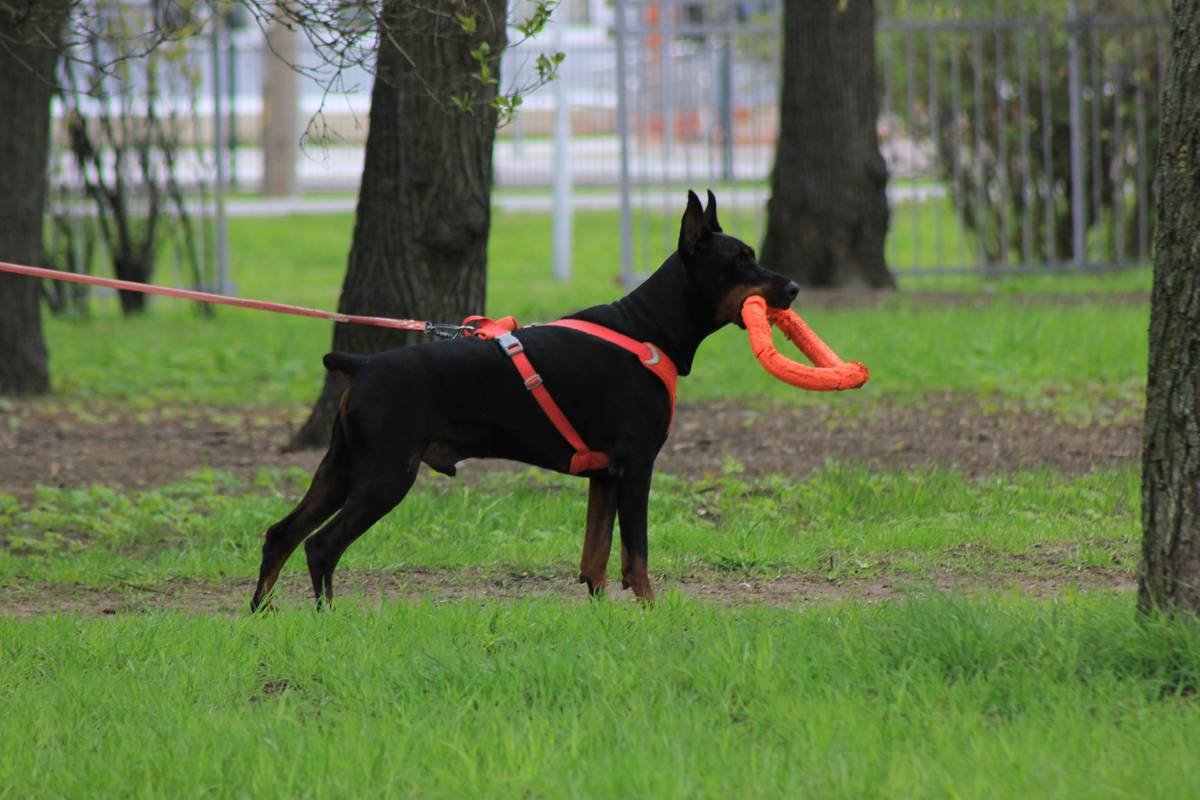
- Introduce the Fetch Command: Use a simple fetch command like “get it” or “fetch.” Start with a favorite toy and gradually introduce more practical items.
- Practice Drop and Release: Teach your service animal to “drop” or “release” the item once they’ve fetched it. This is crucial for a smooth handoff.
- Gradually Increase Complexity: Start with easy-to-grasp objects and move to more challenging items like keys or a remote control.
- Consistency is Key: Practice regularly and in different environments to ensure your service animal can perform under various conditions.
Tips and Best Practices for Success
Here are some additional tips to make your retrieval training sessions more effective:
- Use Positive Reinforcement: Reward your service animal with treats, praise, and playtime. Positive reinforcement goes a long way in building trust and motivation.
- Create a Consistent Routine: Regular, short training sessions are more effective than long, infrequent ones. Aim for 10-15 minutes, 2-3 times a day.
- Be Patient and Persistent: Training takes time, and every animal learns at their own pace. Patience is key, and so is persistence.
- Mix It Up: Vary the items and environments to keep your service animal engaged and adaptable.
- Seek Professional Help If Needed: Don’t hesitate to consult a professional trainer if you hit a roadblock. They can offer valuable insights and support.
Real-World Success Stories
Seeing real-life examples can be incredibly inspiring. Here are a few success stories to motivate you:
*Optimist You:* “Check out these amazing transformations!”
*Grumpy You:* “Okay, but I still need my coffee.”
- Jane and Max: Jane, a paraplegic, trained her service dog Max to fetch her medication and other essentials. Within three months, Max was a pro, and Jane’s life became much easier.
- Tom and Bella: Tom, who uses a wheelchair, taught his service dog Bella to retrieve dropped items and open doors. Bella’s skills have significantly improved Tom’s independence and quality of life.
FAQs on Retrieval Training
- How long does it take to train a service animal in retrieval?
- The time varies depending on the animal, but consistent practice over 2-3 months usually yields good results.
- What types of items should I start with?
- Start with simple, easy-to-grasp items like toys, and gradually move to more practical items like keys and phones.
- Can any breed of dog be trained for retrieval?
- While some breeds are naturally better at retrieving, with patience and consistency, most dogs can learn to fetch effectively.
- What if my service animal loses interest?
- Keep the training sessions short and fun, and use positive reinforcement. If needed, consult a professional trainer for guidance.
- Is retrieval training only for service animals?
- No, retrieval training can be beneficial for any dog, but it’s especially important for service animals to enhance their functionality.
Conclusion
Retrieval training is a crucial skill for service animals, and with the right approach, you can transform your furry friend into a reliable and efficient companion. Remember, consistency and positive reinforcement are key. And hey, if you mess up, it’s not the end of the world. Just like that one time I used #VeganRecipes for a bacon post—RIP engagement. Keep at it, and you’ll see amazing results. Happy training!
Like a Tamagotchi, your service animal needs daily care and attention. Keep them happy, and they’ll be a joy to have around.