Hook: Have you ever felt overwhelmed by the responsibilities of caring for a service animal? From public access to daily care, it can feel like a never-ending to-do list.
Purpose: In this post, we’ll dive deep into the essential duties of a service animal owner. You’ll learn about the legal requirements, the day-to-day care, and how to navigate public spaces with your furry companion. Let’s make sure you and your service animal are set up for success!
Preview: You’ll learn about the legal obligations, daily care routines, and public access tips. We’ll also share real-world examples and answer common questions. So, grab that coffee, and let’s get started!
Table of Contents
- Key Takeaways
- Understanding Service Animals (Problem/Background)
- Legal Obligations (Step-by-Step Guide/Instructions)
- Daily Care Routines (Tips/Best Practices)
- Navigating Public Spaces (Examples/Case Studies)
- FAQs
Key Takeaways
- Understand the legal framework around service animals.
- Learn essential daily care routines for your service animal.
- Get tips on navigating public spaces with your service animal.
- Read real-world success stories and best practices.
Understanding Service Animals (Problem/Background)
In today’s world, service animals play a crucial role in enhancing the lives of individuals with disabilities. These highly trained animals are not just pets; they are lifelines. However, the responsibilities that come with owning a service animal can be overwhelming. From ensuring proper training to managing public access, there’s a lot to consider.
Image Suggestion: Infographic showing the different types of service animals and their specific roles.
Legal Obligations (Step-by-Step Guide/Instructions)
Understanding your legal obligations as a service animal owner is non-negotiable. Here’s a step-by-step guide to help you navigate the legal landscape:
Step 1: Know the Laws
Familiarize yourself with the Americans with Disabilities Act (ADA) and other relevant state and local laws. The ADA defines a service animal as any dog individually trained to do work or perform tasks for the benefit of an individual with a disability.
Step 2: Documentation
While documentation is not required by law, it can be helpful. Keep a copy of your animal’s certification, training records, and any medical documentation. This can be useful in case of disputes or when accessing certain services.
Step 3: Housing and Travel
Under the Fair Housing Act and the Air Carrier Access Act, you have the right to live in housing and travel with your service animal. Understand these rights and how to assert them.
Daily Care Routines (Tips/Best Practices)
Caring for a service animal involves more than just feeding and grooming. Here are some best practices to keep your furry companion healthy and happy:
- Regular Exercise: Ensure your service animal gets plenty of exercise. Physical activity is crucial for their mental and physical health.
- Nutrition: Feed your service animal a balanced diet. Consult with a veterinarian to determine the best food for their specific needs.
- Veterinary Care: Regular check-ups and vaccinations are essential. Stay on top of their health to catch any issues early.
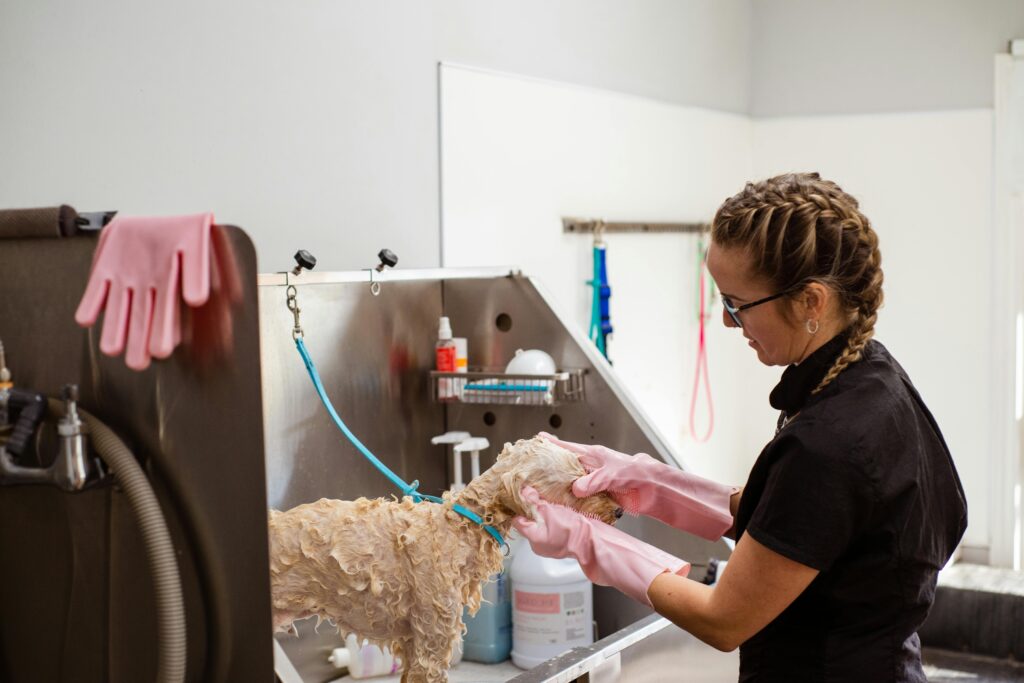
- Grooming: Keep your service animal clean and well-groomed. This not only keeps them looking good but also helps with their hygiene.
Image Suggestion: Flowchart illustrating the daily care routine for a service animal.
Navigating Public Spaces (Examples/Case Studies)
Navigating public spaces with a service animal can be challenging, but with the right approach, it can be smooth sailing. Here are some real-world examples and best practices:
Example 1: Grocery Shopping
Sarah, a service animal owner, often takes her dog, Max, to the grocery store. She makes sure Max is well-groomed and has a clear identification tag. She also pre-plans her route to avoid crowded areas and ensures Max stays focused on his tasks.
Example 2: Traveling by Airplane
John, a frequent traveler, has mastered the art of flying with his service dog, Bella. He always checks the airline’s specific policies, arrives early, and keeps all necessary documentation handy. Bella is trained to stay calm and focused, even in busy airports.
FAQs
What is the difference between a service animal and an emotional support animal?
A service animal is specifically trained to perform tasks for a person with a disability, while an emotional support animal provides comfort and emotional support. Service animals have public access rights under the ADA, whereas emotional support animals do not.
Do I need to register my service animal?
Registration is not required by federal law, but it can be helpful in some situations. Many states and organizations offer voluntary registration programs.
How long does it take to train a service animal?
Training a service animal can take anywhere from 6 months to 2 years, depending on the tasks they need to perform and the individual’s specific needs.
Conclusion
Being a service animal owner comes with a unique set of responsibilities, but with the right knowledge and preparation, it can be a rewarding experience. By understanding your legal obligations, maintaining a consistent daily care routine, and learning how to navigate public spaces, you can ensure both you and your service animal thrive.
Grumpy Optimist Dialogue: “Optimist You:* ‘You’ve got this!’
Grumpy You: ‘Ugh, fine—but only if coffee’s involved.'”
Like a Tamagotchi, your service animal needs daily care.