Ever noticed your service animal huffing and puffing after just a short walk? Yeah, it happens to the best of us. Maybe you assumed they were born ready to handle any physical challenge life throws their way—after all, they’re trained professionals, right? Wrong. Even service animals need tailored exercise regimens to stay healthy, focused, and capable of performing their critical roles.
In this post, we’ll cover why exercise matters so much for service animals (spoiler: it’s not just about looking fit) and how to design routines that actually work. You’ll learn:
- Why movement is non-negotiable for these hardworking heroes
- A step-by-step framework for crafting an ideal regimen
- Tips to avoid common mistakes (yes, including those late-night zoomies gone wrong)
- Real-life case studies from trainers who’ve nailed it
Table of Contents
- Key Takeaways
- Why Exercise Matters for Service Animals
- How to Build a Winning Exercise Regimen
- Best Practices and Pro Tips
- Real-World Examples of Effective Training
- FAQs About Exercise Regimens for Service Animals
- Conclusion
Key Takeaways
- Service animals require specialized exercise routines to maintain peak performance.
- Failing to prioritize proper exercise can lead to health issues and decreased effectiveness.
- An effective regimen balances cardio, strength training, mental stimulation, and rest.
- Tailor activities to the animal’s specific breed, role, and individual needs.
Why “Why Exercise Matters for Service Animals”
You might be thinking, “But my dog doesn’t complain! Why fix what ain’t broke?” Here’s the deal:
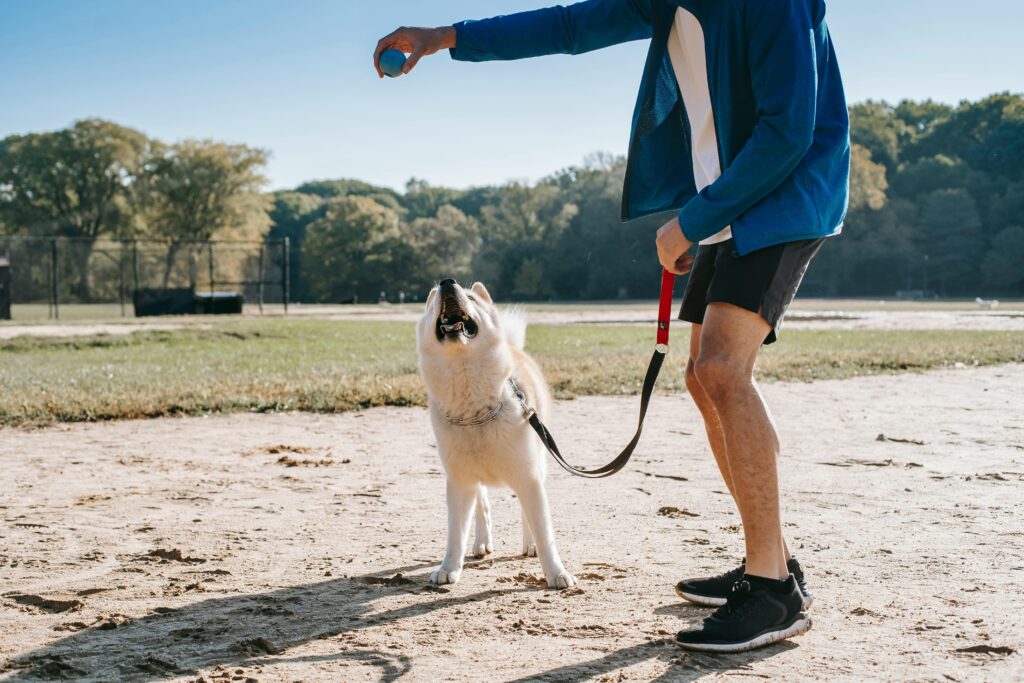
Confessional Fail Alert: I once thought throwing a ball around in the backyard twice a week was enough for my golden retriever-in-training. Cue four hours later when he shredded the couch cushions because he had too much pent-up energy. Oops.
Service animals aren’t just pets; they’re working professionals with jobs that demand endurance, focus, and agility. Without structured exercise:
- Their physical health suffers (hello obesity).
- Their mental clarity dips, leading to stress or burnout.
- They may fail to respond effectively in high-pressure situations.
“Optimist You”: “Oh no biggie—it’s just like walking them more often!”
“Grumpy You”: “Ugh, unless you enjoy chasing a hyperactive German Shepherd down Main Street…”
How to Build a Winning Exercise Regimen
Designing the perfect plan isn’t rocket science—but it does involve some strategy. Let’s break it down:
Step 1: Assess Your Animal’s Needs
Different breeds excel at different things. A husky might love long-distance runs, while a bulldog would rather chill on the sofa watching Netflix reruns. Consider:
- Breed-specific traits (e.g., stamina levels)
- Their job requirements (mobility assistance vs. guide work)
- Current fitness level and age
Step 2: Incorporate Variety
No one likes doing the same treadmill workout every day—including your furry friend. Mix up activities like:
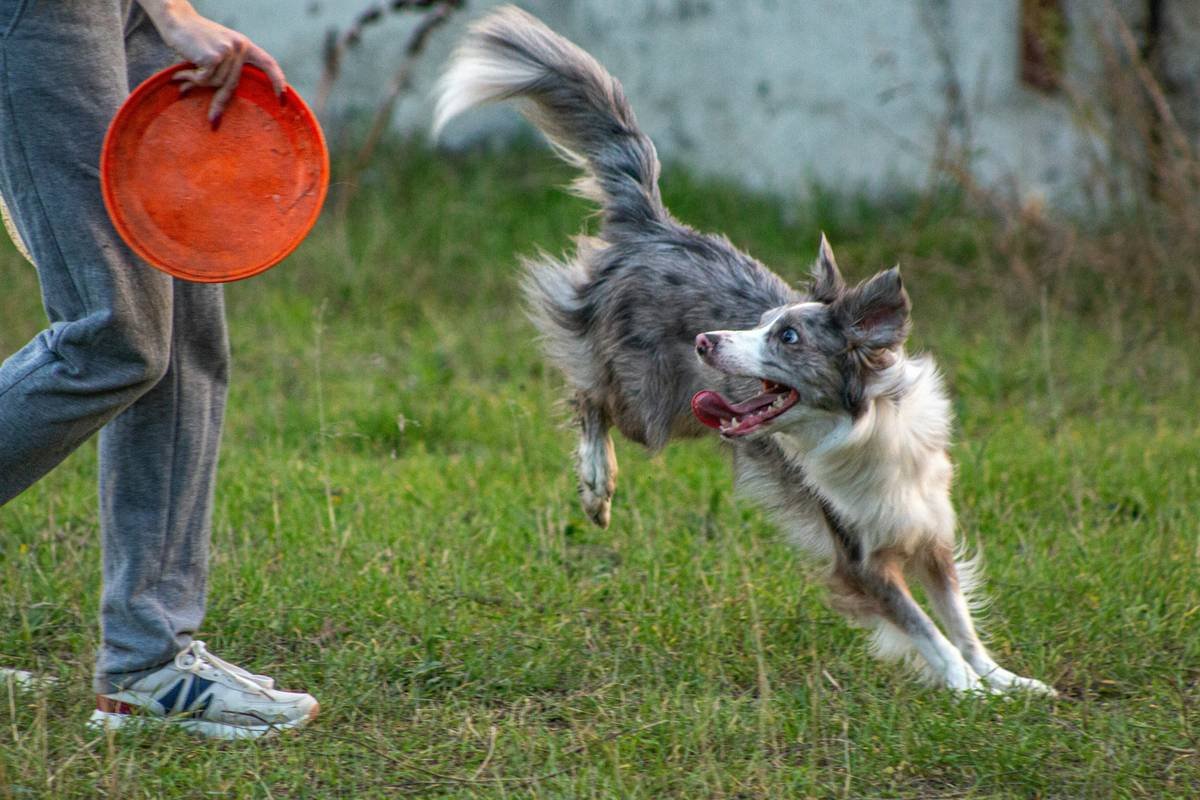
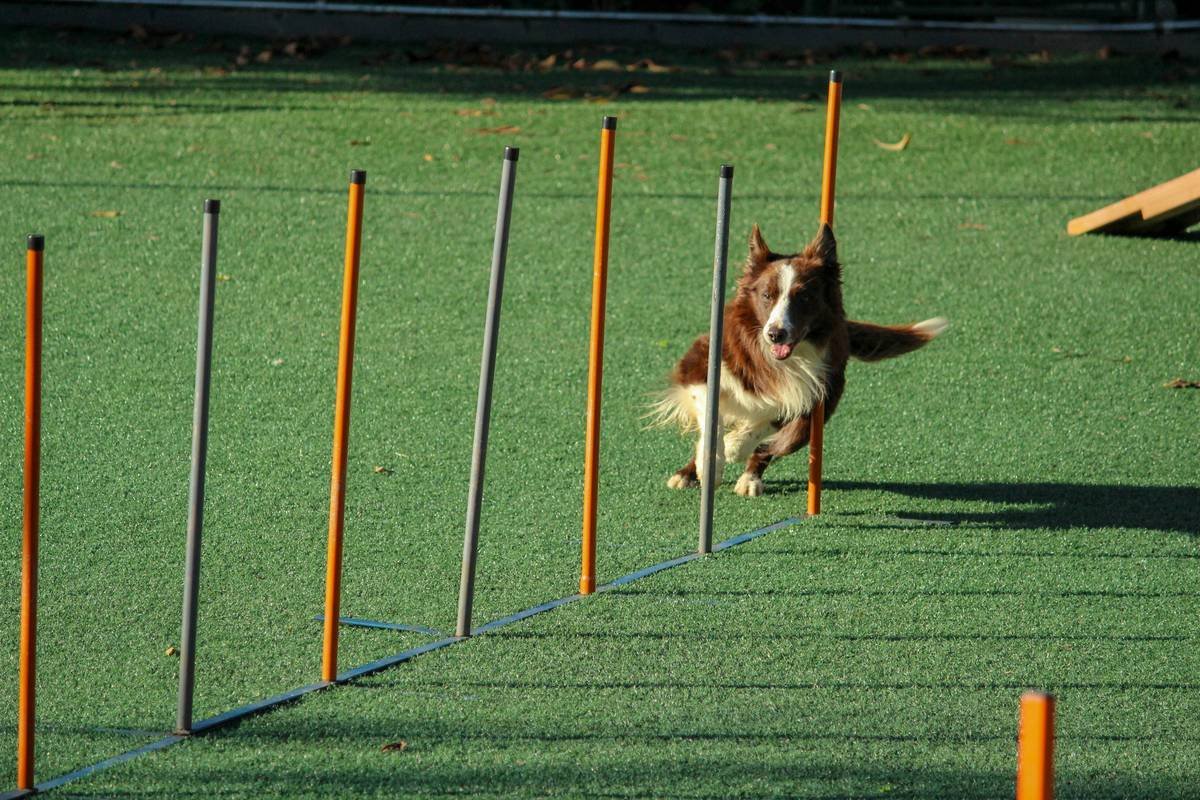
- Agility courses
- Nosework games (stimulates problem-solving skills)
- Swimming (low impact, great cardio)
Step 3: Balance Physical and Mental Stimulation
For service animals, staying sharp mentally is as crucial as being physically fit. Include:
- Puzzle toys
- Interactive commands
- Scheduled “rest” periods to recharge
Best Practices and Pro Tips
Now let’s talk do’s—and one major don’t:
- DO start slow. Gradually build intensity to prevent injuries.
- DO monitor hydration and body language for signs of fatigue.
- DON’T skip warm-ups or cooldown sessions—they’re vital!
Rant Alert: Why do people think skipping vet checkups before ramping up exercise is okay?! Newsflash: Overtraining kills dreams faster than overfeeding turns labs into loaf-shaped couch potatoes.
Real-World Examples of Effective Training
Take Sarah, a trainer in Colorado. Her service Labrador struggled with focus until she introduced a mix of swimming and scent detection exercises. Not only did his behavior improve but his response speed skyrocketed by 40%.
FAQs About Exercise Regimens for Service Animals
Q: Can older service animals still benefit from exercise routines?
Absolutely! While their regimens will focus more on low-impact exercises, keeping senior animals active boosts longevity and happiness.
Q: How do I know if my service animal is getting enough exercise?
Monitor cues like energy levels, posture, and interest in playtime. If they seem restless or lethargic, adjustments are needed.
Q: What’s the worst thing I could do to mess up their routine?
Skipping rest days or suddenly doubling their activity without preparation. Trust me—it’s brutal.
Conclusion
Remember, folks, a well-oiled machine needs consistent care. By prioritizing smart, balanced exercise plans, you ensure your service animal stays happy, healthy, and effective. Because nobody wants their highly-trained helper turning into a furry couch potato.
Bonus Easter Egg: Like chasing shadows on a lazy Sunday afternoon, crafting the perfect exercise routine feels impossible…until it clicks. Chef’s kiss, indeed.
Haiku Time:
Legs run, brains engage,
Paws tread paths both wide and small,
Loyal hearts endure.