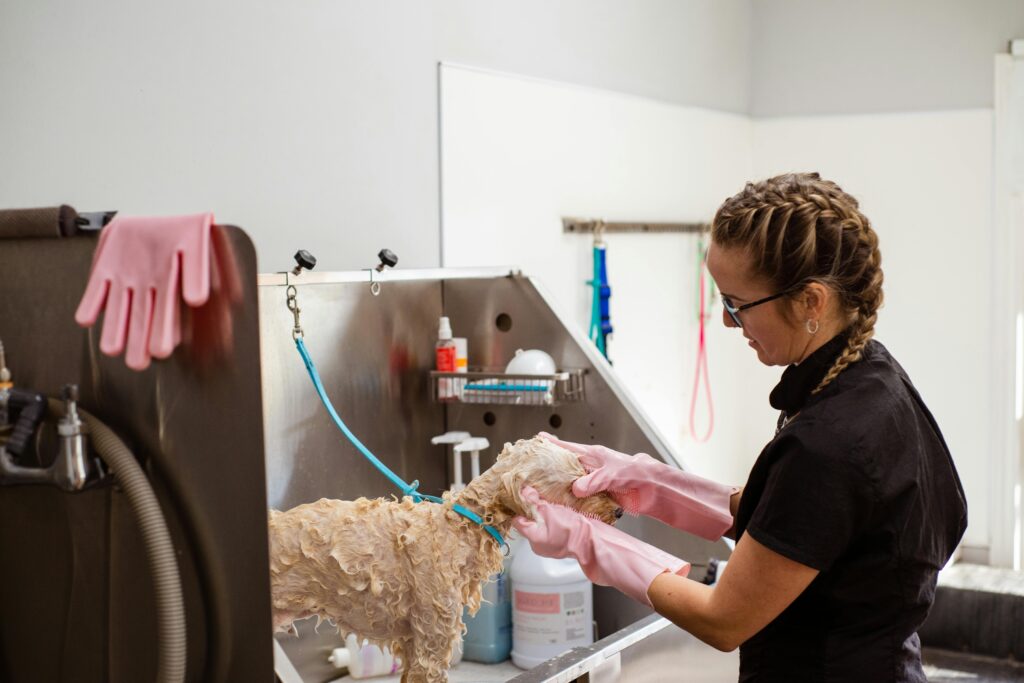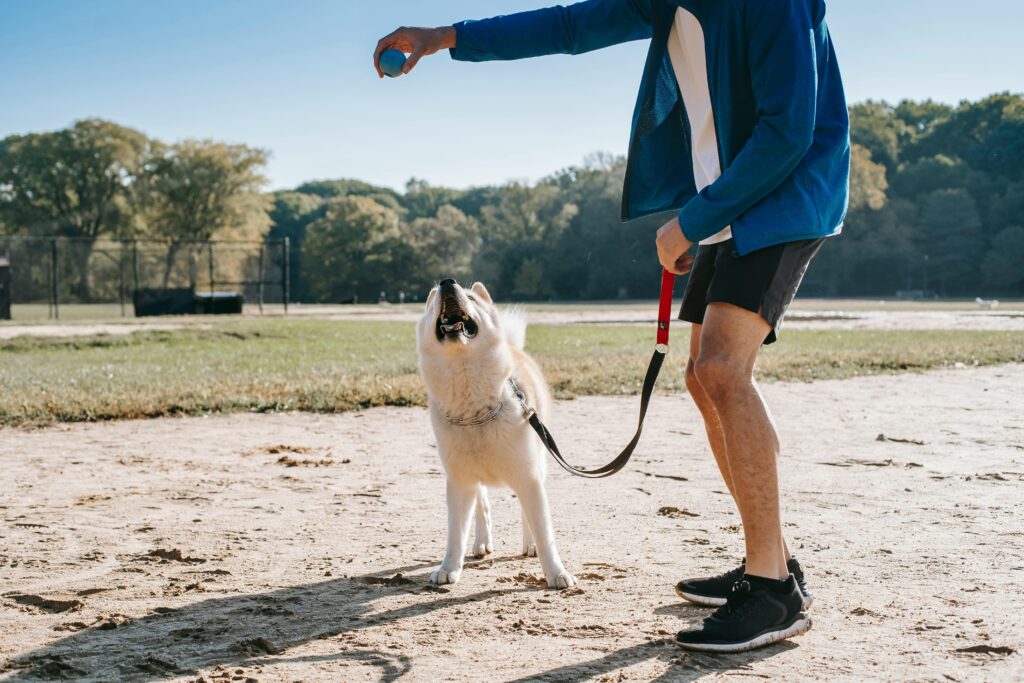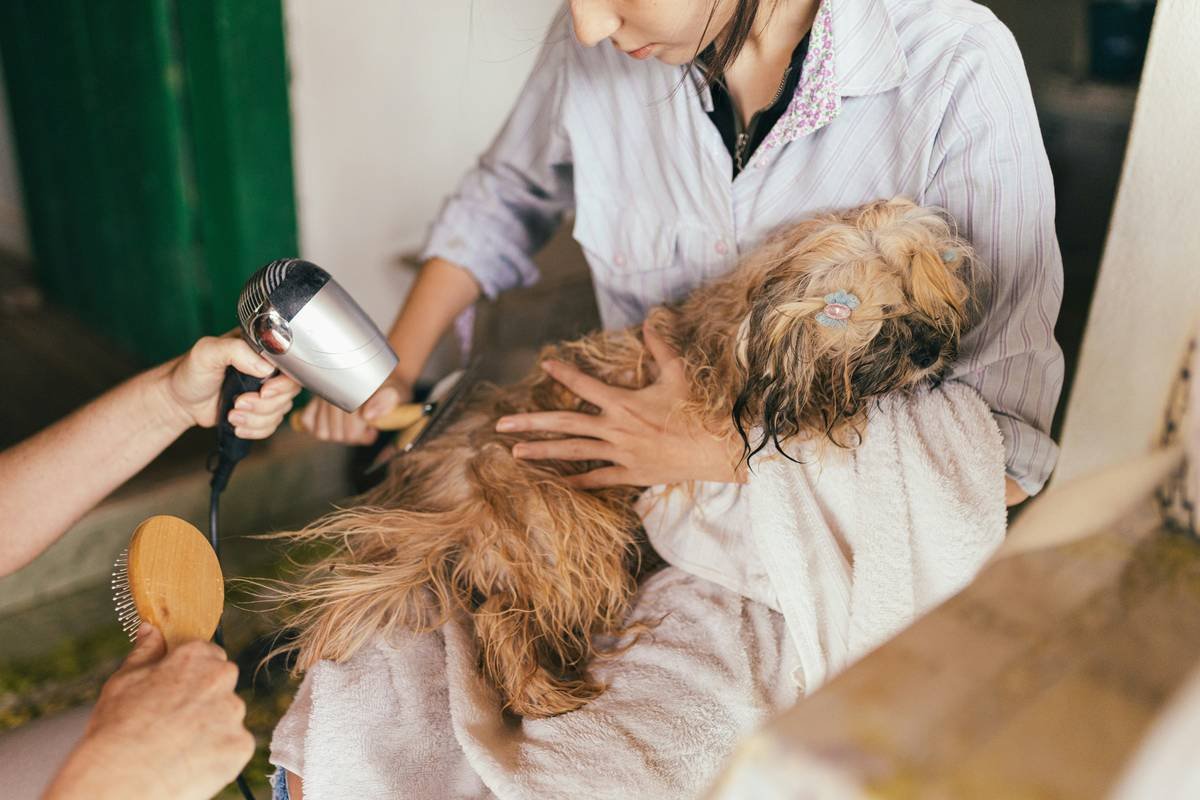
Ever tried bathing a stubborn Golden Retriever who’s been rolling in mud? Now imagine doing it on a strict schedule while maintaining professional grooming standards. Sounds fun, right?
Whether you’re training service animals or simply want to keep your furry companion looking sharp and healthy, understanding proper grooming and hygiene standards is non-negotiable. In this guide, we’ll break down exactly what these standards are, why they matter, and how to achieve them without losing your sanity—or your dog’s patience.
Table of Contents
- Key Takeaways
- Why Grooming Matters in Service Animal Training
- Step-by-Step Guide to Mastering Grooming Standards
- 7 Proven Tips for Maintaining Hygiene
- Real-Life Success Stories
- FAQs About Grooming and Hygiene Standards
Key Takeaways
- Proper grooming is essential not only for the health of the animal but also for its functionality as a service animal.
- Consistency is key—set aside time weekly for baths, nail trims, ear cleaning, and brushing.
- Avoid over-grooming; even the best intentions can harm if done incorrectly.
Why Grooming Matters in Service Animal Training
Picture this: You’ve spent months training a Labrador to assist someone with mobility issues. Everything seems perfect until one day at the grocery store, people complain about his unkempt appearance and unpleasant odor. This scenario isn’t just embarrassing—it could jeopardize the dog’s ability to perform its duties effectively.
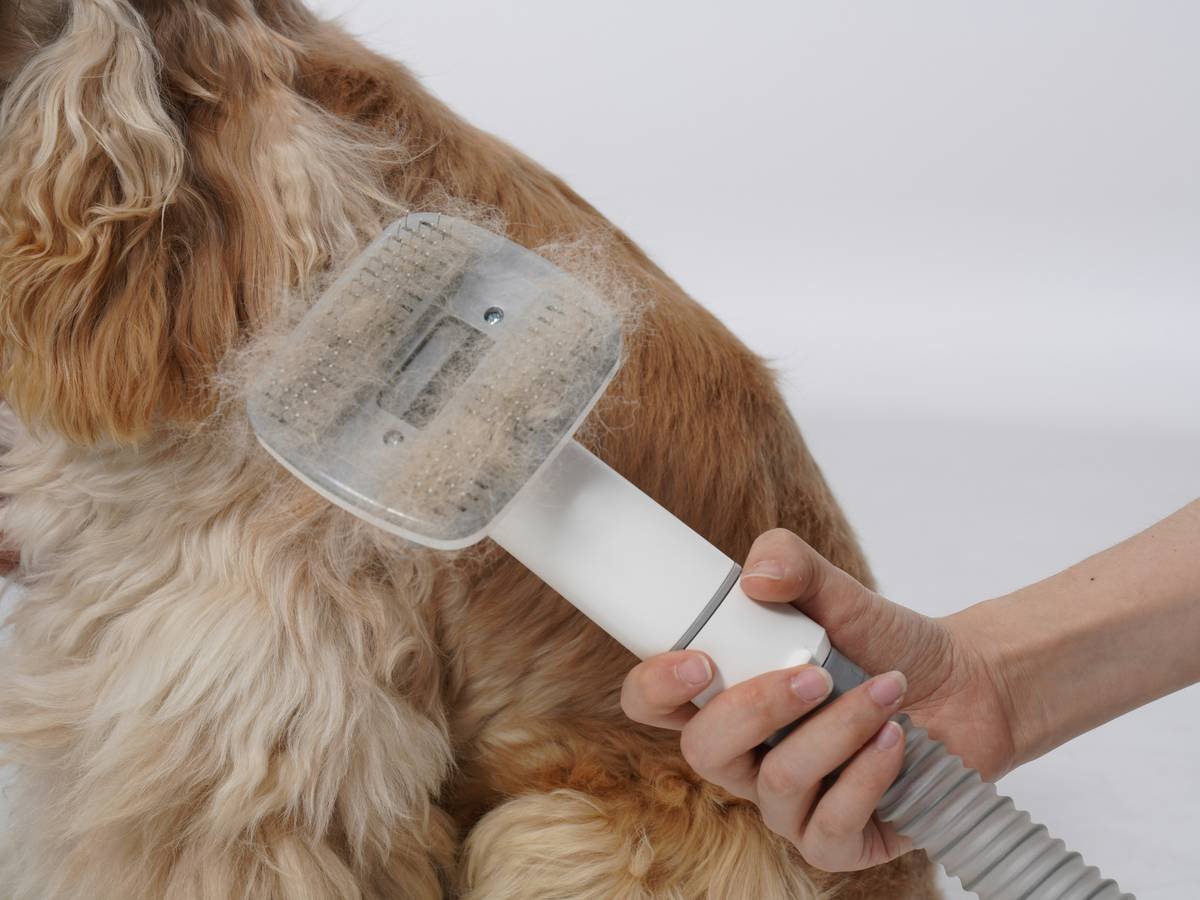
A clean, well-maintained service animal projects professionalism and reliability.
Grooming goes beyond aesthetics. It ensures that:
- The animal stays comfortable and free from irritations like matting or skin infections.
- Good hygiene prevents distracting odors that might otherwise draw attention away from their job.
- Pets feel confident and ready to focus on tasks assigned by trainers or handlers.
Step-by-Step Guide to Mastering Grooming Standards
Step 1: Schedule Regular Bath Times
Dogs don’t need daily baths—that’s a myth—but skipping washes entirely leads to buildup and discomfort. Aim for once every 4–6 weeks depending on coat type.
Step 2: Nail Trimming Without Tears
Confession: I once clipped my dog’s nails too short because I was rushing through the process (ouch!). Lesson learned? Always use sharp clippers designed for pets, and never cut beyond the quick.
Step 3: Check Those Ears!
Ear infections plague many breeds. Clean ears gently once a week using vet-recommended solutions and cotton pads—not Q-tips.
Step 4: Daily Brushing Keeps Drama Away
Brushing removes loose fur, distributes natural oils, and minimizes shedding. For long-haired breeds, invest in detangling sprays—trust me, your arms will thank you.
7 Proven Tips for Maintaining Hygiene
- Invest in high-quality tools tailored to your pet’s breed and coat texture.
- Use hypoallergenic grooming products to avoid skin irritation.
- Create a calming environment during grooming sessions—this helps reduce stress for both you and your pet.
- Train your dog early to associate grooming with positive experiences (think treats).
- Keep an eye out for signs of pests like fleas or ticks post-walks.
- (Terrible Tip Alert): Avoid DIY haircuts unless you’re a pro. One wrong snip can leave your pup resembling a misshapen mop.
- Regularly inspect paws for cracks, cuts, or debris lodged between toes.
Real-Life Success Stories
Case Study 1: Max the Mobility Assistance Dog
Max, a German Shepherd, struggled with allergies due to poor coat maintenance. After implementing a consistent grooming routine recommended by his trainer—including weekly baths and bi-weekly deshedding treatments—Max became healthier and more focused on assisting his handler.
Case Study 2: Bella the Psychiatric Support Cat
Bella went viral online after her owner shared photos showcasing her immaculate grooming regimen. Regular combing and claw trimming transformed Bella into a local celebrity among fellow support animal owners.
FAQs About Grooming and Hygiene Standards
Q: How often should I bathe my service animal?
A: Generally, every 4–6 weeks is sufficient. However, active or outdoor dogs may require more frequent baths.
Q: Can I use human shampoo on my pet?
A: No! Human shampoos disrupt pH levels in pets’ skin, leading to irritation. Stick to formulas specifically made for animals.
Q: What do I do if my pet hates grooming?
A: Slow and steady wins the race. Start small, introducing tools gradually while rewarding calm behavior with treats.
Conclusion
Optimist You: “With this guide, grooming your service animal will become second nature!”
Grumpy You: “Yeah, yeah, but coffee better be involved.” 😉
Remember, grooming isn’t just a chore—it’s a crucial part of responsible pet care. By following these steps and tips, you’ll ensure your service animal remains happy, healthy, and ready to work. Oh, and don’t forget…
Like a Tamagotchi,
Your pet needs daily love.
Groom, rinse, repeat.