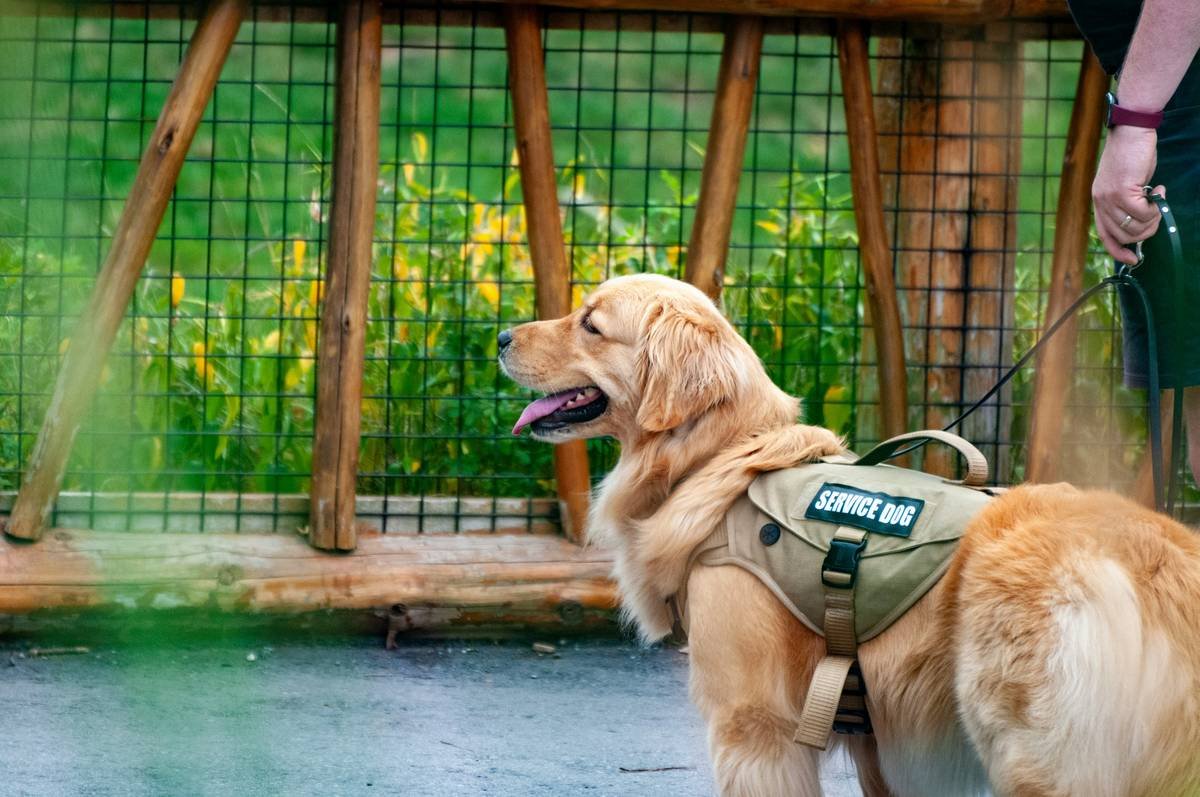
Ever watched a service dog open a door or fetch medication and wondered, “How do they do that?” For trainers, handlers, and aspiring service dog owners, mastering the art of service dog task specialization isn’t just impressive—it’s essential. Yet, it’s also one of the most misunderstood aspects of service animal training. This guide will demystify the process, offering actionable steps, insider tips, and real-world examples to help you succeed.
In this post, we’ll cover everything from understanding the basics of task specialization to troubleshooting common mistakes (yes, even the ones *you’re* probably making). By the end, you’ll have a clear roadmap to train your service dog for success—and maybe save yourself a few gray hairs in the process.
Table of Contents
- Key Takeaways
- Why Service Dog Task Specialization Matters
- Step-by-Step Guide to Training Your Service Dog
- Pro Tips for Effective Training
- Real-World Examples of Task Specialization Success
- FAQs About Service Dog Task Specialization
- Conclusion
Key Takeaways
- Task specialization ensures service dogs can perform specific actions tailored to their handler’s needs.
- Training must focus on consistency, positive reinforcement, and patience.
- Avoid rushing the process—building trust and skill takes time.
- Real-life success stories show what’s possible when training is done right.
Why Service Dog Task Specialization Matters
Imagine relying on a service dog to retrieve your medication during an emergency—or worse, having them fail because they weren’t properly trained. That’s why task specialization matters. Without it, even the smartest dog won’t know how to assist in critical situations.
Here’s the hard truth: Many aspiring trainers skip the foundational work. I once tried teaching my pup to “fetch” without ensuring he understood basic obedience commands first. The result? Chaos. It was like asking someone to run a marathon before learning how to walk.
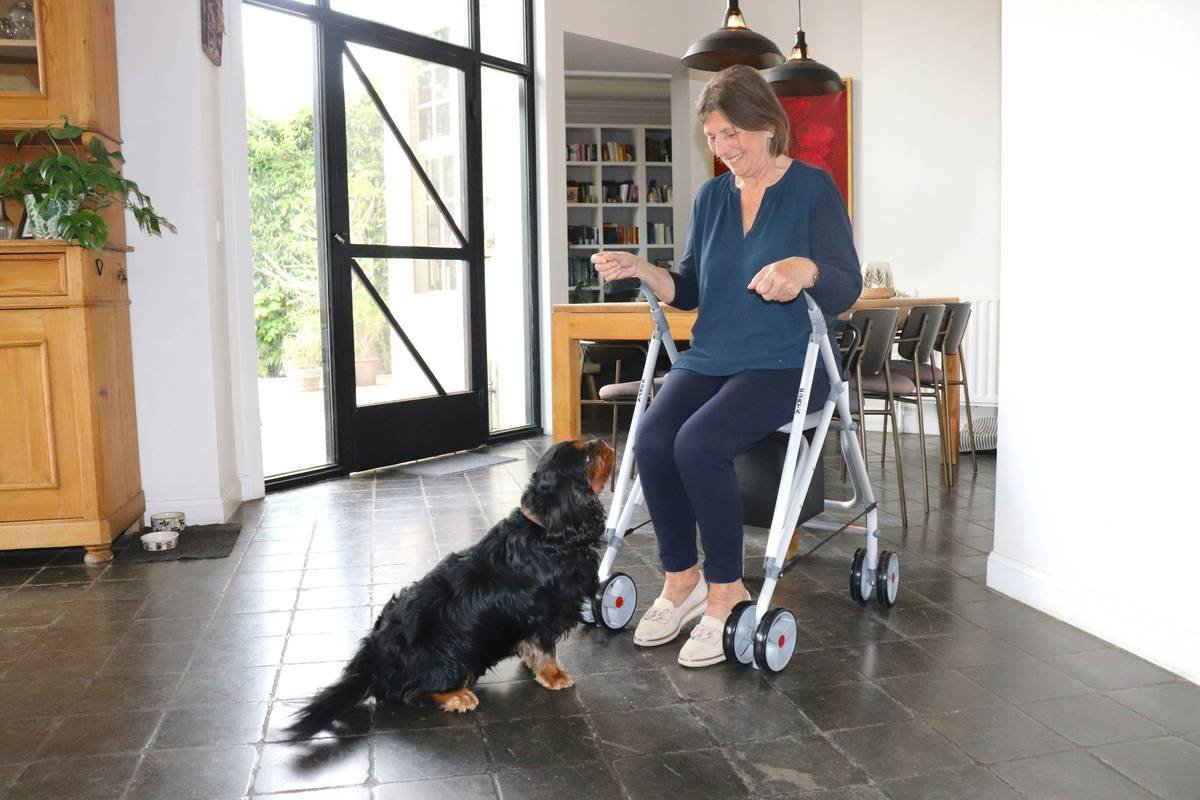
This phase is where many fail—but don’t worry. With the right mindset and tools, you can avoid becoming another cautionary tale.
Step-by-Step Guide to Training Your Service Dog
Training a service dog for specialized tasks requires careful planning and execution. Follow these steps to get started:
1. Assess Your Needs
Optimist You: “Let’s jump into training!”
Grumpy You: “Not so fast. First, figure out *what* you need.”
Start by identifying the tasks your service dog will specialize in. Will they alert you to medical conditions? Retrieve dropped items? Each task has unique requirements.
2. Build a Strong Foundation
Before diving into advanced skills, ensure your dog masters basic obedience. Commands like “sit,” “stay,” and “come” are non-negotiable.
3. Introduce Tasks Gradually
Break down complex tasks into smaller steps. For example, teaching a dog to push a button might involve:
- Tapping the button with their nose.
- Associating the action with a reward.
- Reinforcing the behavior over time.
4. Reinforce Through Repetition
Practice makes perfect—but only if done correctly. Use treats, praise, or toys to reinforce desirable behaviors consistently.
5. Test Under Realistic Conditions
Once your dog seems ready, simulate real-world scenarios. Does your pup still perform under distractions? If not, go back to step 3.
6. Consult Professionals When Needed
If you’re stuck—or simply want peace of mind—don’t hesitate to seek professional guidance. A certified trainer can fine-tune your approach.
Pro Tips for Effective Training
- Be Consistent: Dogs thrive on routine. Stick to the same cues and rewards every session.
- Prioritize Positive Reinforcement: Punishment often backfires. Reward good behavior instead.
- Keep Sessions Short: Aim for 5–10 minutes at a time to prevent burnout.
- Use High-Value Rewards: Save the best treats for challenging tasks.
- Avoid Rushing: Terrible Tip Alert: Don’t skip steps to speed up progress. This almost always leads to setbacks.
Real-World Examples of Task Specialization Success
“My dog saved me during a seizure,” says Sarah, a service dog handler living with epilepsy. Her pup, Max, underwent rigorous task specialization training to recognize early warning signs and nudge her to safety.
Likewise, Mark—a veteran with PTSD—shares how his Labrador learned to create physical barriers in crowded spaces. These stories highlight the transformative power of proper training.
FAQs About Service Dog Task Specialization
How long does it take to specialize a service dog?
Anywhere from 6 months to 2 years, depending on the complexity of tasks and the dog’s temperament.
Can any breed become a service dog?
Technically, yes—but some breeds excel due to their intelligence and temperament, such as Labradors and Golden Retrievers.
What’s the biggest mistake trainers make?
Focusing too much on tricks rather than practical, life-saving tasks.
Conclusion
Training a service dog for task specialization isn’t easy—but it’s worth it. Whether you’re helping someone navigate daily challenges or saving lives in emergencies, the rewards are immeasurable. Remember: Stay patient, stay consistent, and never underestimate the bond between human and dog.
And hey, while you’re out there changing the world, remember this haiku:
Service paws steady,
Through chaos, they bring calm—chef’s kiss.
Together, unbeatable.