
Ever watched a service dog remain perfectly calm in a chaotic grocery store? Ever wondered how that happens? Spoiler alert: It’s not magic. Training a service dog to follow public conduct rules is both an art and science, requiring patience, dedication, and strategy. In this guide, you’ll learn what these rules are, how they’re enforced, and tips to nail the training process like a pro. Ready to transform your pup into a polite public companion?
Table of Contents
- Introduction: Why Service Dog Rules Matter
- Key Takeaways
- Why Public Conduct Rules Are Non-Negotiable
- Step-by-Step Guide to Mastering Public Behavior
- Top Tips for Rock-Solid Training Sessions
- Real-Life Success Stories from Expert Trainers
- Frequently Asked Questions About Service Dogs
- Conclusion: Your Journey Starts Here
Key Takeaways
- Service dog public conduct rules ensure safety, respect, and accessibility for handlers.
- Training involves desensitization, obedience drills, and real-world exposure.
- Avoid skipping foundational commands—it’s the fastest way to fail.
- Consistency and positive reinforcement are non-negotiables.
Why Public Conduct Rules Are Non-Negotiable
I once witnessed someone trying to pass off their excitable Labrador as a “therapy” dog at a crowded airport. Picture it: barking, pulling on leashes, and jumping on strangers. Yikes. Not only was it embarrassing for the handler, but it also created unnecessary tension with other passengers. This kind of situation happens more often than we’d like—thanks to improper training and ignorance of service dog public conduct rules.
Public behavior regulations exist to protect everyone involved. These guidelines help prevent distractions, accidents, and misunderstandings. They cover everything from leash etiquette to no-begging policies and even bathroom habits. Ignoring them doesn’t just reflect poorly on you; it undermines trust in legitimate service animals everywhere.
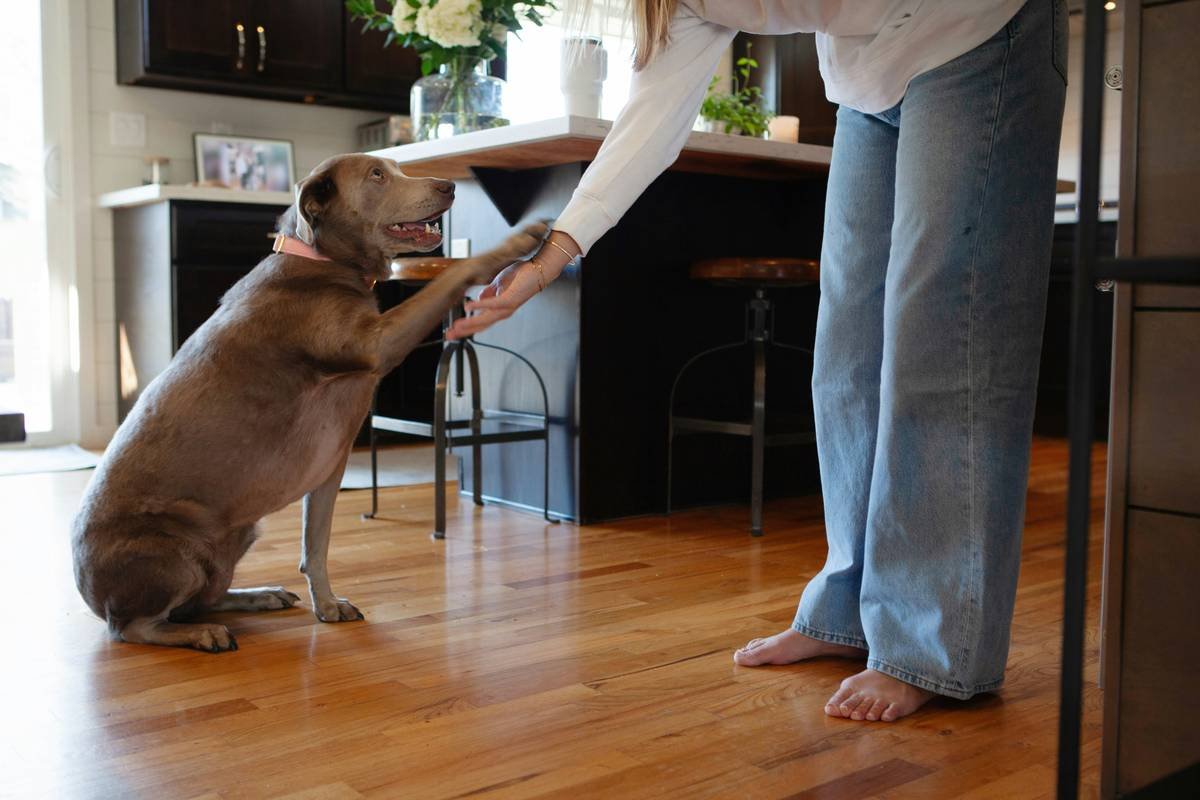
Step-by-Step Guide to Mastering Public Behavior
“Optimist You:” “Dogs naturally know how to behave!”
“Grumpy You:” “Yeah, right—and social media algorithms don’t change daily.”
Training a service dog to adhere to public conduct rules isn’t something you can wing. Follow this step-by-step approach:
1. Start with Basic Commands
Your dog should already master commands like “sit,” “stay,” “heel,” and “down” before moving on to advanced behaviors. Without these foundations, progress will stall faster than Wi-Fi during a thunderstorm.
2. Practice in Controlled Environments
Use quiet parks or empty stores where you can control variables. Gradually increase difficulty by adding mild distractions (e.g., kids playing nearby).
3. Introduce Real-World Scenarios
Exposure therapy is key. Work up to busier settings like malls, airports, or restaurants. Reward calmness consistently while avoiding overwhelming situations too early.
4. Reinforce “No Reaction” Responses
Dogs must ignore tempting sights, sounds, and smells. Teach them that ignoring distractions earns better rewards than reacting impulsively.
5. Test Their Stamina
Public outings can last hours. Ensure your dog has the physical and mental endurance to stay focused throughout.
Top Tips for Rock-Solid Training Sessions
- Be Consistent: Use the same cues and rewards every time.
- Mix Up Locations: Overly familiar environments won’t prepare your dog for unpredictability.
- Avoid Overloading Rewards: Too many treats can backfire—not to mention ruin waistlines!
- Stay Patient: Progress may feel slower than dial-up internet, but persistence pays off.
- Terrible Tip Alert: Don’t skip foundational socialization. Doing so guarantees disaster later.
Real-Life Success Stories from Expert Trainers
Jane, a professional trainer based in Chicago, recalls her most challenging client—a rescue pitbull named Max who couldn’t stop lunging at pedestrians. After months of incremental training, Max successfully passed his certification test and now accompanies a disabled veteran full-time. Jane credits Max’s success to relentless repetition and careful management of expectations.
In another case, a blind woman named Sarah shared how her first attempt at DIY training failed miserably because she neglected public etiquette protocols. But with expert guidance emphasizing service dog public conduct rules, her new guide dog transformed her quality of life.
Frequently Asked Questions About Service Dogs
What Are the Biggest Mistakes New Handlers Make?
Skipping foundation work, over-rewarding, and failing to expose dogs to diverse environments top the list.
How Long Does Training Typically Last?
Expect between 6 months to 2 years, depending on the dog’s temperament and your consistency.
Can Any Breed Become a Service Dog?
Absolutely, though some breeds excel due to their intelligence and adaptability.
Conclusion: Your Journey Starts Here
Nailing service dog public conduct rules isn’t easy—but it’s worth every second of effort. With the right mindset, strategies, and persistence, you can train your pup to shine in any environment. So grab that leash, channel your inner Zen master, and let’s get started!
P.S. Remember: Like finding Waldo in a crowd, great training takes sharp eyes and endless patience. 🐾
And here’s your bonus haiku:
Paws tread softly through noise,
Leashed yet free in service true,
Rules keep paths wide open.