
Ever tried teaching your dog to open doors or fetch medication during an emergency? Yeah, it’s not as easy as the movies make it look. What if I told you that proper task training could transform your furry companion into a lifesaving superhero? In this post, we’ll dive deep into task training for support animals—the unsung hero of pet care—and how you can ace it like a pro.
Here’s what you’ll learn:
- Why task training is vital for service and support animals
- A step-by-step guide to get started with training
- Tips to avoid common blunders (and one truly terrible tip)
- Real-life examples of amazing support animal teams
Table of Contents
- Key Takeaways
- Why Is Task Training So Important?
- Step-by-Step Guide to Start Task Training
- Top Tips to Master the Process
- Inspirational Stories from Real Life
- Frequently Asked Questions
- Wrapping It Up: Your Next Steps
Key Takeaways
- Task training prepares support animals to perform critical tasks that assist humans.
- Consistency, patience, and positive reinforcement are essential ingredients for success.
- Mistakes happen: Learn what NOT to do when training your animal.
- Success stories show proof—it’s more than possible; it’s life-changing.
Why Is Task Training So Important?
Imagine being in a situation where you need help, but no one’s around. For people with disabilities, illnesses, or chronic conditions, having a well-trained support animal isn’t just convenient—it’s crucial. Task training equips these incredible creatures with skills tailored to their handler’s needs, like retrieving dropped items, providing balance assistance, or alerting others during emergencies.
But here’s the thing: Getting it wrong can backfire big time. I once heard about someone who tried teaching their Golden Retriever to “alert” them about anxiety attacks by barking loudly. Instead, the poor pup became overexcited every time they walked past a doorbell sound. Oops. Lesson learned—the hard way.
Image Alt Text Example:

Step-by-Step Guide to Start Task Training
Step 1: Identify the Specific Tasks You Need
Optimist You:* “I’m ready to train my pup!”
Grumpy You:* “First, figure out exactly WHAT you want them to do, smartypants.”
This might seem obvious, but clarity is king. Whether it’s picking up keys, turning lights on/off, or applying pressure during panic attacks, define the tasks clearly.
Step 2: Break Down Each Task Into Tiny Pieces
Think of each task as building blocks. Want your Labrador to pick up socks? Teach them first to recognize socks, then approach them, grab them gently, and finally bring them to you. This incremental approach prevents frustration—for both you AND your furry student.
Step 3: Use Positive Reinforcement
Reward-based methods reign supreme. Praise, treats, toys—they all work wonders. Avoid punishment at all costs; trust us, it ruins progress faster than spilled coffee on a keyboard.
Additional Image Suggestions:

Top Tips to Master the Process
- Be Patient: Rome wasn’t built in a day, and neither will your pet’s skillset.
- Keep Sessions Short & Fun: No marathon sessions allowed. Aim for 5–10 minutes max per session.
- Ditch Distractions: Train in quiet spaces until your animal masters basics before moving to busier environments.
- Avoid This Terrible Tip: Never compare your animal to another’s. Every learner has different strengths and speeds. Trust the process!
Inspirational Stories from Real Life
Talk about Georgia, a woman living with epilepsy, whose Seizure Response Dog was trained to activate a medical alert device mid-seizure. Or Alex, paralyzed from the waist down, whose Assistance Dog helps him navigate stairs safely. These stories prove that task training transforms lives.
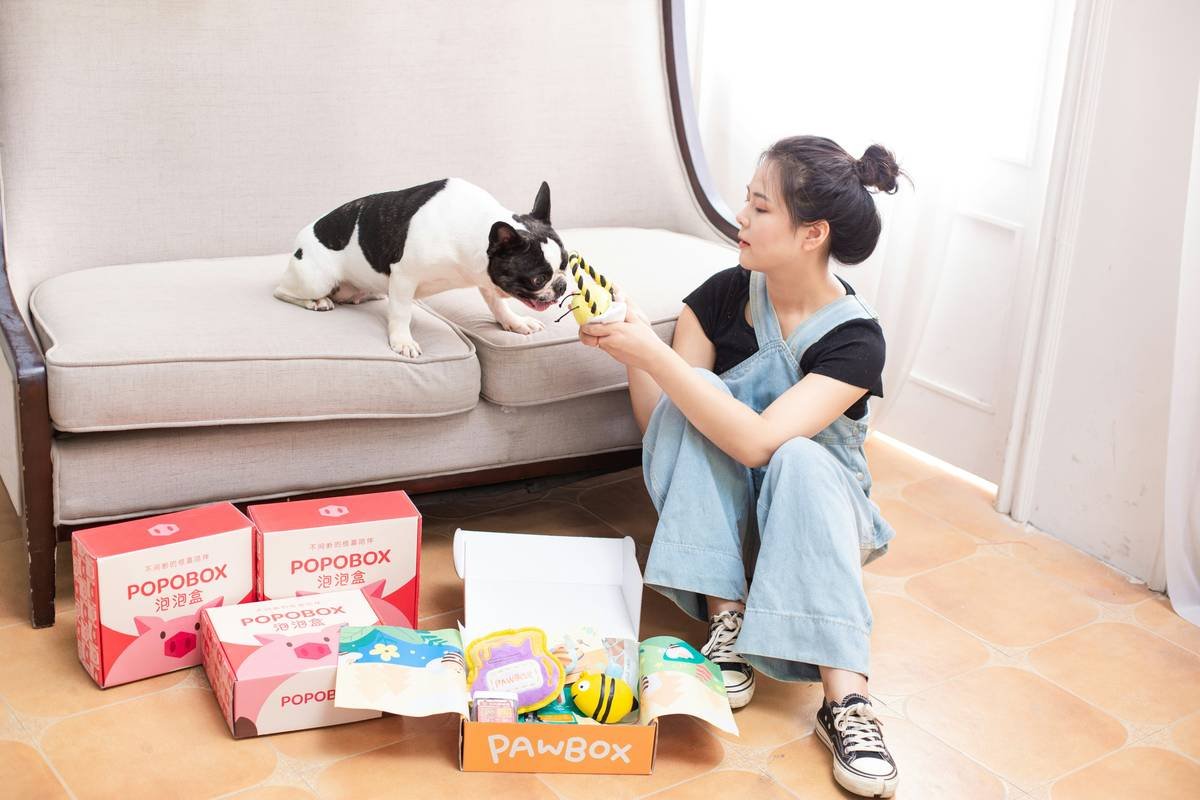
Final Image Suggestion:
Frequently Asked Questions
How long does task training for support animals take?
Typically 6 months to 2 years, depending on complexity and consistency.
Can any breed be trained for specific tasks?
Most breeds can learn, though some excel better due to temperament or size.
Do I need professional help?
You don’t *need* it, but experts speed things up significantly.
Wrapping It Up: Your Next Steps
So there you have it—the lowdown on mastering task training for support animals. Remember, the road won’t always be smooth, but with love, patience, and persistence, you’re setting yourself (and your four-legged pal) up for greatness. Ready to start?
Easter Egg:
Like finding Pikachu hidden in Pokémon Yellow, the joy of training lies in discovery.
“Fetch me data…or maybe snacks.”