
“Ever watched a service animal perform a complex task and thought, ‘How on Earth did they learn that?!'” You’re not alone. Many trainers struggle to move beyond basic commands into advanced task mastery—those jaw-dropping skills that make life easier for their human companions. But fear not. In this guide, we’ll explore how to level up your training game so both you and your furry partner can achieve ninja-level precision.
You’ll learn:
- Why advanced task mastery is crucial in service animal training.
- A step-by-step framework for teaching complex behaviors.
- Tips and best practices from seasoned pros (and one epic failure story).
- Rarely discussed challenges—and how to overcome them.
Table of Contents
- Key Takeaways
- Understanding the Challenge
- Step-by-Step Guide to Advanced Task Mastery
- Proven Tips & Best Practices
- Real-World Success Stories
- FAQs About Service Animal Training
Key Takeaways
- Advanced task mastery involves breaking down big goals into micro-steps.
- Patient repetition and environmental adaptability are non-negotiable.
- Real-life distractions are part of the training process—embrace them!
- There’s no magic wand; consistency trumps shortcuts every time.
Understanding the Challenge: Why Is Advanced Task Mastery So Hard?
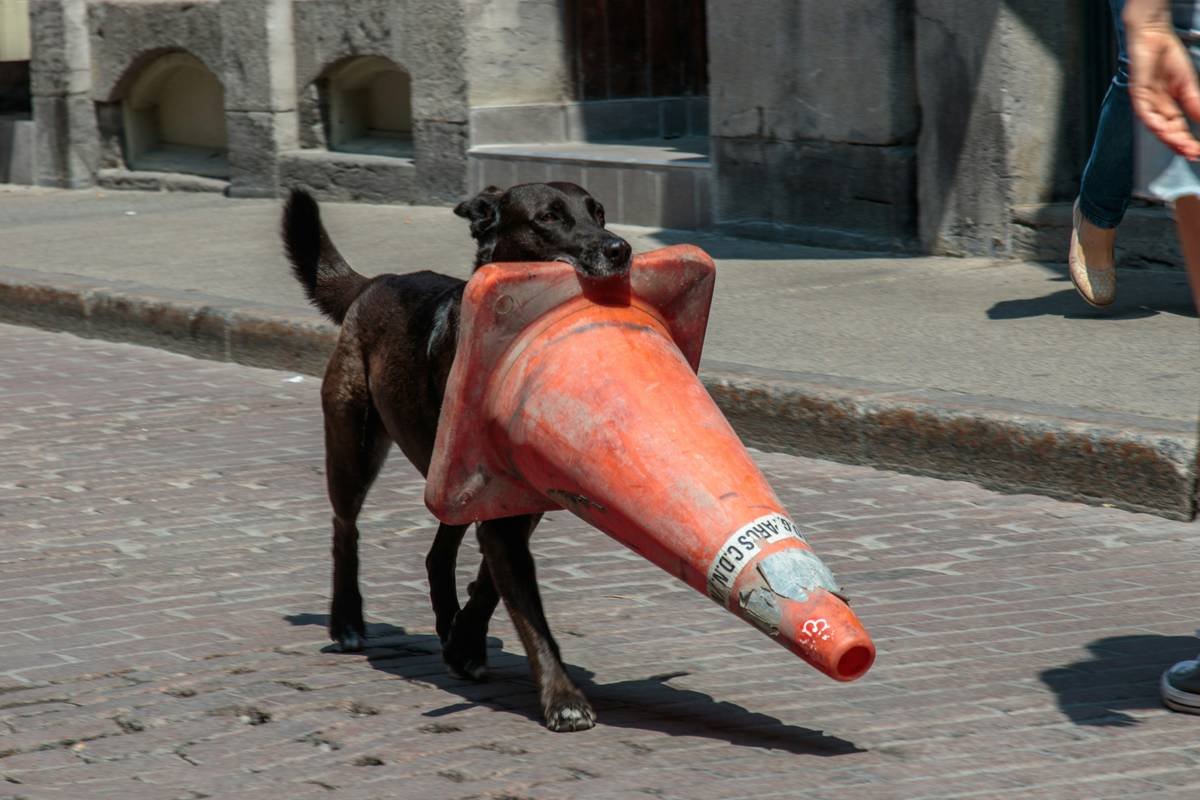
Training a service animal goes way beyond “sit,” “stay,” or “fetch.” When it comes to advanced tasks like opening doors, retrieving dropped items, or alerting during medical emergencies, things get real. And let’s be honest—it’s a grind. I once spent three weeks trying to teach my pup to tug open a fridge door without knocking over groceries. Spoiler alert: It wasn’t pretty. The chaos included spilled orange juice, shattered glass jars, and tears…lots of tears.
The truth is, most people give up because they don’t break tasks down enough—or worse, they rush the process. Remember: Every pro trainer started as an amateur. This journey requires patience, creativity, and yes, healing ointment for those inevitable paw blisters.
Step-by-Step Guide to Advanced Task Mastery
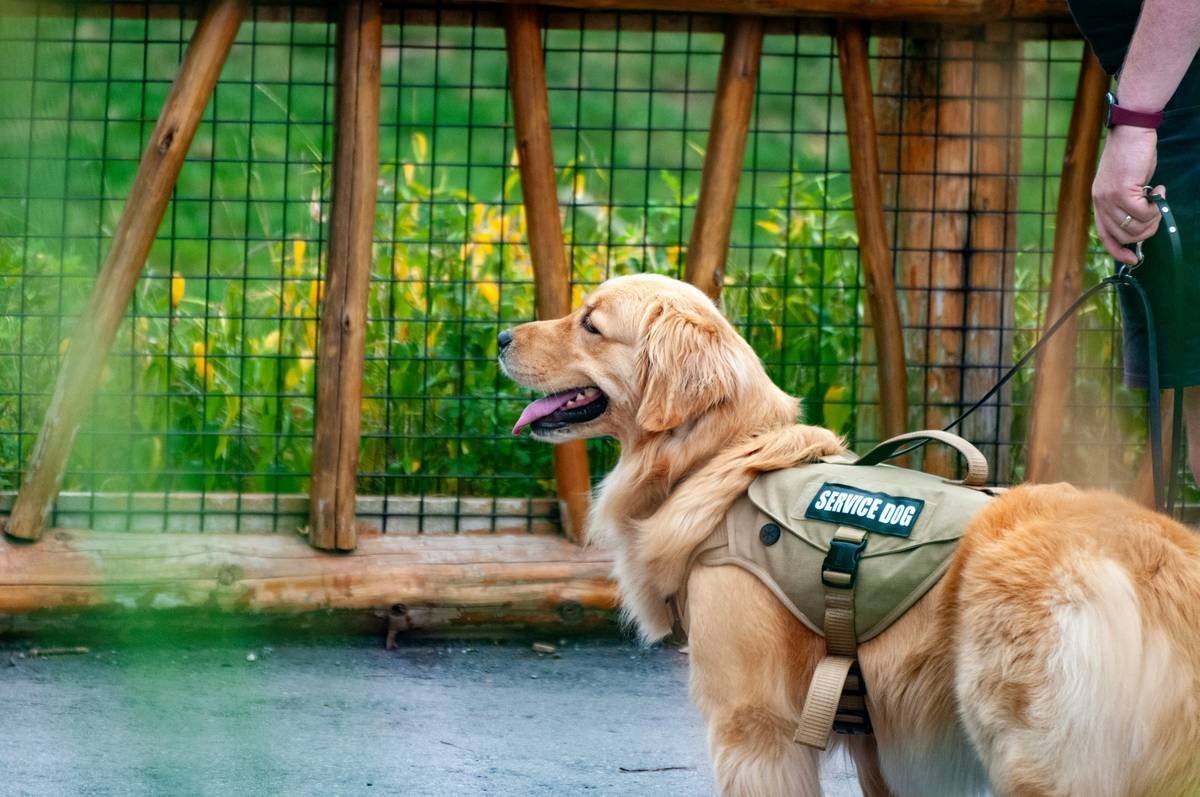
Step 1: Choose the Right Behavior
Optimist You: “Let’s train something super cool!”
Grumpy You: “Oh great, another mess waiting to happen.”
Be realistic about what your service animal can physically handle. Not all breeds excel at turning light switches off, for instance. Tailor the skillset to your pet’s natural strengths.
Step 2: Break Down the Goal
No animal learns a multi-step behavior overnight. Want Fido to fetch meds? First, he needs to recognize the pill bottle. Then, pick it up cleanly. Next, carry it safely. Finally, deliver it gently into your hand. Sounds simple—but each piece takes focus.
Step 3: Reward Incrementally
Your pup doesn’t understand your vision of grandeur yet. He understands treats. Celebrate small wins by rewarding progress immediately after each micro-success.
Step 4: Introduce Distractions Gradually
Picture this scenario: Your well-trained pooch flawlessly opens a door…until someone drops a tray of snacks nearby. Chaos ensues. Real-world scenarios include noise, movement, smells—you name it. Practice these variables incrementally instead of throwing everything at once.
Proven Tips & Best Practices for Advanced Task Mastery
- Track Progress With Video: Record sessions to identify subtle improvements (and areas needing work). Kills blindspots faster than any checklist.
- Vary Rewards Strategically: Keep motivation high by switching between food, toys, praise, etc. Variety keeps ‘em guessing!
- Set Boundaries Early: Teaching self-control early prevents accidental reinforcement of bad habits later.
- Bad Tip: Overloading Commands: Yelling “OPEN THE DOOR, FETCH THAT BALL, AND BRING ME COFFEE” won’t end well. Stick to one clear objective per session.
Real-World Success Stories in Advanced Task Mastery
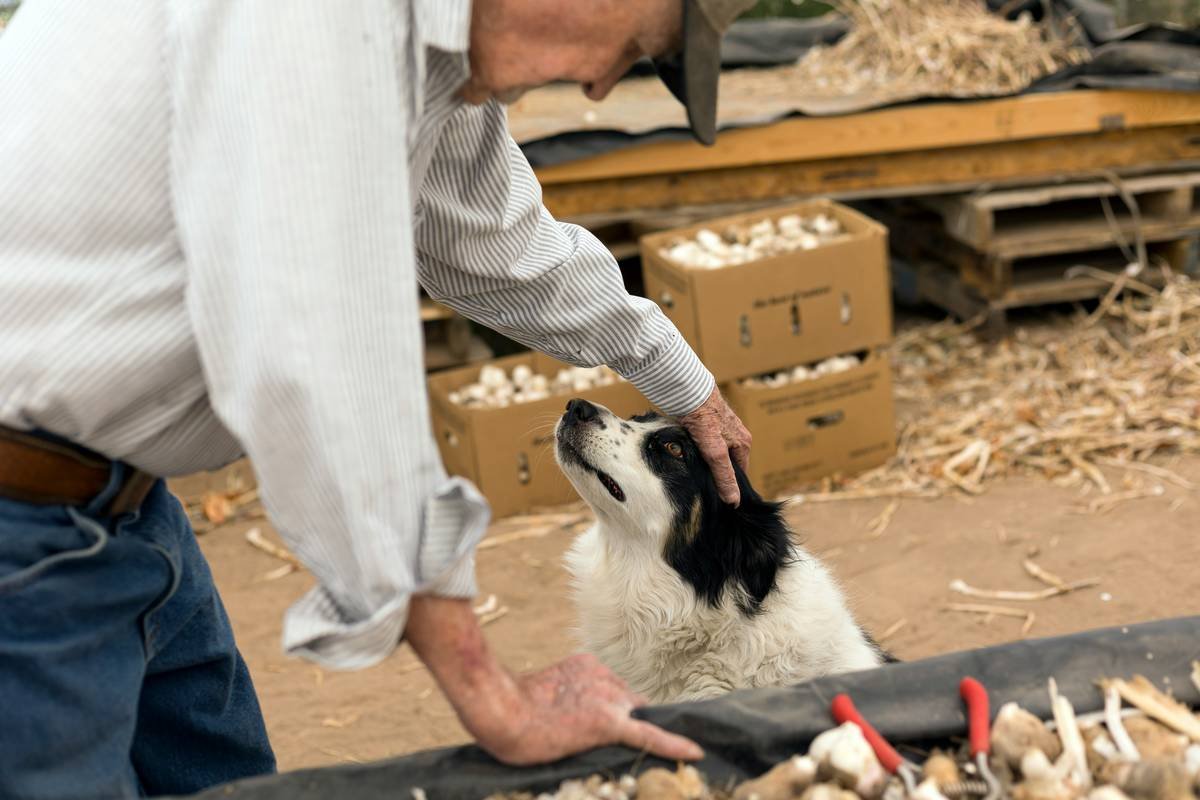
Meet Luna, a golden retriever trained specifically to assist her handler who has epilepsy. Besides detecting seizures before they occur, Luna fetches emergency medication within seconds—a lifesaving skill requiring meticulous advanced task mastery. Her trainer credits success to starting young, keeping sessions short, and staying calm through countless biscuit casualties along the way.
FAQs About Service Animal Training
What if My Dog Isn’t Picking Up Complex Tasks?
Take a breath. Maybe the task is too complicated, or maybe you’ve hit a plateau. Adjust expectations, simplify instructions, or change tactics altogether. Sometimes stepping back helps propel forward.
Can Older Dogs Learn New Tricks?
Absolutely. Age isn’t a barrier—it just means adapting methods slightly. For example, older dogs may tire faster, so shorter, more frequent sessions often yield better results.
How Long Does It Take to Master Advanced Skills?
Depends entirely on the dog and task complexity. Some behaviors click within days; others might stretch out over months. Patience truly pays off here.
Conclusion
Advanced task mastery isn’t rocket science, but it does demand dedication. By choosing the right behaviors, breaking them down systematically, and reinforcing patiently, you’ll unlock levels of teamwork neither you nor your service animal thought possible. Just remember: Rome wasn’t built in a day. Neither were impeccable leash manners.
Like a snowflake in summer,
Each tiny step adds up.
Your bond will bloom anew.